
close
Choose Your Site
Global
Social Media


Views: 0 Author: Site Editor Publish Time: 2025-12-25 Origin: Site


Quick connect fittings are essential for many industries, offering fast, secure connections in fluid and gas systems. But when it comes to selecting the right material, the choice between brass and stainless steel can make a big difference.
In this article, we’ll compare brass hose quick connectors and stainless steel fittings, exploring how each material impacts performance, durability, and cost. You'll gain a clear understanding of which option is best for your application.
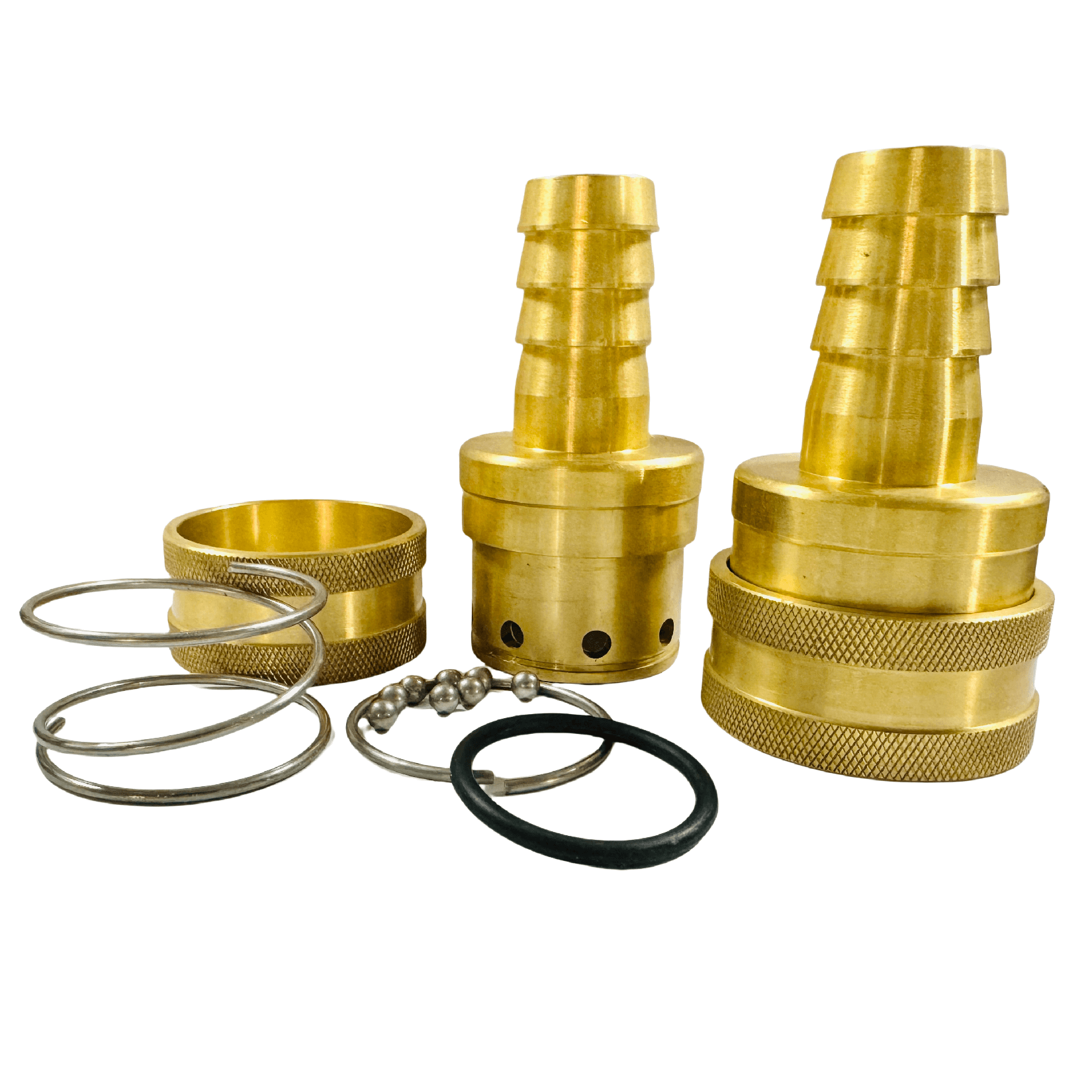
Quick connect fittings are designed to allow users to quickly connect and disconnect hoses or pipes in systems without requiring tools. They are widely used in industries ranging from plumbing to chemical processing, automotive, and medical applications.
The choice of material for these fittings plays a vital role in their functionality. Materials need to withstand pressure, temperature fluctuations, and corrosion, ensuring the system remains secure and leak-free over time. Materials such as brass and stainless steel are commonly used, each offering distinct advantages depending on the application.
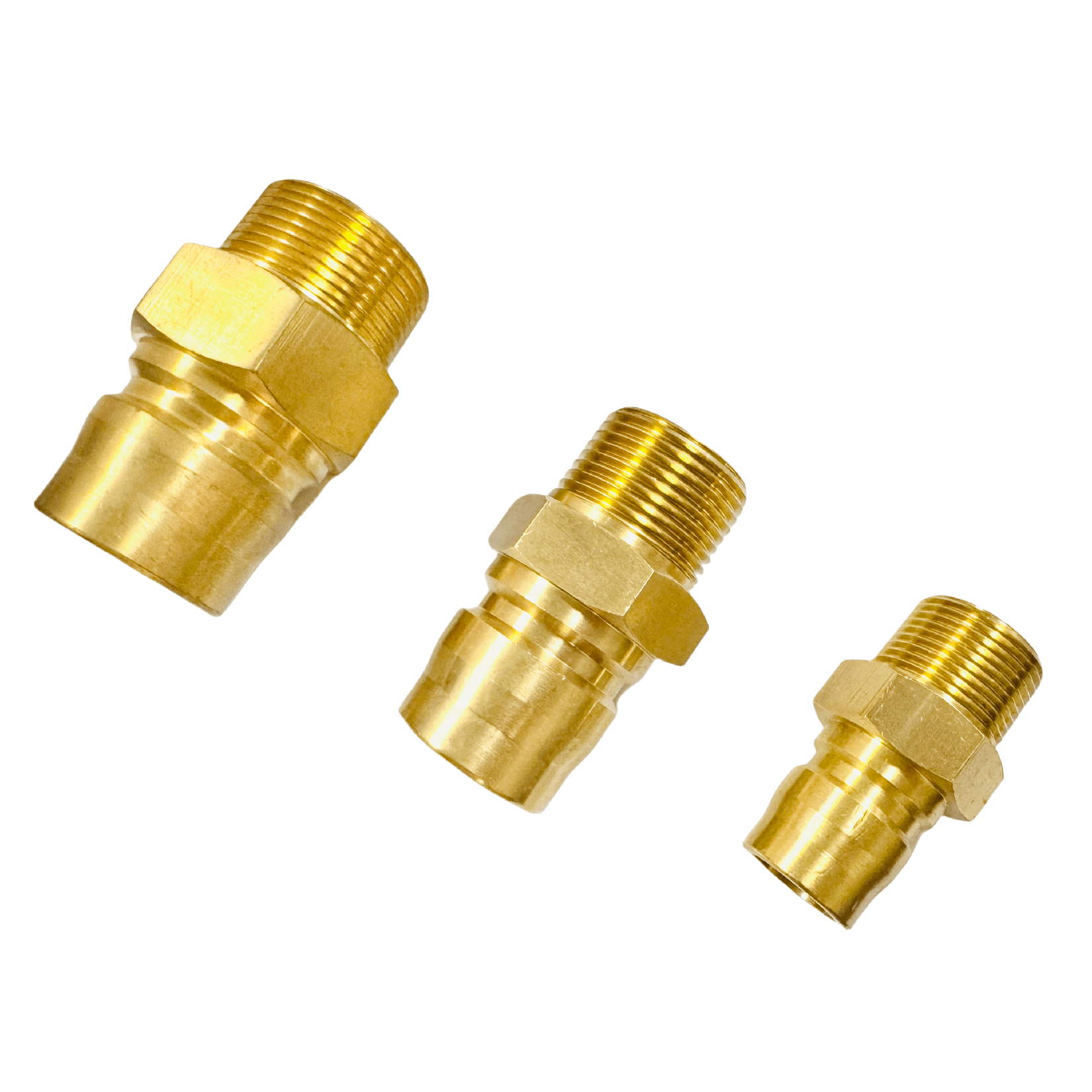
Brass is an alloy of copper and zinc, known for its excellent corrosion resistance, especially in mild environments. It is malleable, which makes it easy to machine and shape into various configurations, making it ideal for small, precise components.
Stainless steel, on the other hand, is a stronger, more durable material made from iron, carbon, and chromium. It is known for its resistance to corrosion, even in harsh environments, and its ability to withstand high temperatures and pressures. Stainless steel fittings are highly versatile and are often used in more demanding applications.
Brass quick connect fittings are highly resistant to corrosion in mild environments, making them ideal for use in plumbing systems, HVAC systems, and other general-purpose applications. In freshwater or air-based environments, brass maintains its integrity over extended periods without degradation.
For instance, brass is often used in domestic water supply systems where the pressure and temperature conditions are moderate. It is also suitable for air and gas systems, providing a secure, leak-free connection.
Tip: Brass quick connect fittings are perfect for environments with minimal exposure to aggressive chemicals or extreme saltwater.
While brass can handle moderate temperatures (up to 400°F) and pressures (up to 3000 psi), it is not designed for extreme conditions. Brass fittings are ideal for light to medium-duty systems where the operating temperature and pressure remain within these limits.
For example, in HVAC applications where the system doesn’t experience extreme heat or high-pressure fluctuations, brass provides reliable performance.
One of the significant advantages of brass is its excellent machinability. Brass fittings are easy to shape, thread, and weld, making them an excellent choice for creating custom components. This characteristic is particularly beneficial when designing fittings for small or specialized systems, where precision is critical.
Brass’s malleability also means that it can be easily reworked into different configurations, making it a preferred choice for applications where customized fittings are required.
Stainless steel excels in environments where exposure to corrosive substances is common. Its resistance to acids, chemicals, and saltwater makes it the ideal choice for heavy-duty industrial applications. Stainless steel quick connect fittings are commonly found in chemical processing, offshore oil rigs, and marine applications, where resistance to saltwater corrosion is a top priority.
In these environments, stainless steel ensures that the fittings retain their structural integrity, preventing leaks and breakdowns that could lead to system failure.
Stainless steel fittings are capable of withstanding higher pressures and temperatures than brass. These fittings can endure temperatures up to 1000°F and pressures as high as 20,000 psi, making them suitable for industrial applications that require superior durability.
For instance, stainless steel quick connect fittings are often used in oil and gas pipelines, high-pressure steam systems, and industrial machinery that operates in extreme heat and pressure conditions.
Tip: Stainless steel is the best option for heavy-duty systems that require both high temperature and high-pressure performance.
Stainless steel’s durability means it requires minimal maintenance and offers a long service life. Unlike brass, which may wear over time in high-stress environments, stainless steel retains its strength and corrosion resistance for decades. This makes it ideal for critical applications where downtime and maintenance costs need to be minimized.
For example, in pharmaceutical or medical applications, stainless steel fittings are favored for their low-maintenance requirements and long lifespan, ensuring safety and reducing operational costs.
One of the primary factors in choosing between brass and stainless steel is the cost. Brass fittings are generally more affordable than stainless steel, making them a good option for budget-conscious applications. However, while brass may be more cost-effective in the short term, stainless steel offers a better return on investment in the long run, especially in demanding environments that require durability and long service life.
Here’s a comparison of the costs of brass and stainless steel fittings:
Material | Cost per Fitting | Applications | Durability |
Brass | $1 - $15 | Plumbing, HVAC, Low-Pressure Industrial | Moderate (typically 10-20 years in mild conditions) |
Stainless Steel | $5 - $100 | Chemical Processing, Marine, High-Pressure Systems | High (typically 30+ years in harsh conditions) |
Note: The cost of brass fittings is generally lower than that of stainless steel. However, stainless steel fittings can be more cost-effective in the long term due to their durability and lower maintenance costs.
While brass performs well in mild, freshwater environments, stainless steel is the clear winner in more aggressive, corrosive conditions. Stainless steel’s superior resistance to saltwater, acidic liquids, and harsh chemicals makes it the preferred material for industries like chemical processing, offshore oil rigs, and food manufacturing.
Brass, while resistant to mild corrosion, may degrade over time when exposed to more aggressive environments.
Stainless steel’s ability to handle extreme pressures and temperatures is far superior to brass. While brass is suitable for moderate systems (up to 3000 psi and 400°F), stainless steel can handle pressures up to 20,000 psi and temperatures up to 1000°F.
This makes stainless steel the preferred choice for high-stress, high-performance systems, while brass is best suited for less demanding applications.
Here’s a direct comparison of the temperature and pressure endurance of brass and stainless steel fittings:
Property | Brass | Stainless Steel |
Corrosion Resistance | Excellent in freshwater and mild environments | Superior in harsh, corrosive environments (saltwater, acids, etc.) |
Temperature Resistance | Up to 400°F (204°C) | Up to 1000°F (538°C) |
Pressure Resistance | Up to 3000 psi | Up to 20,000 psi (some specialized types even higher) |
Tensile Strength | 338 - 469 MPa | 515 - 620 MPa |
Weight | Lighter than stainless steel | Heavier than brass |
Machinability | Easy to machine and weld | Harder to machine and weld |
Cost | Lower (more affordable) | Higher (but better long-term ROI in demanding environments) |
Brass is ideal for low-pressure systems and environments with moderate temperatures, such as residential plumbing, HVAC systems, and light industrial applications. Its corrosion resistance in freshwater systems and ease of machining make it a popular choice for these types of uses.
Stainless steel is the material of choice for high-pressure, high-temperature, and corrosive environments. It is perfect for oil and gas pipelines, chemical processing plants, offshore platforms, and high-stress industrial applications. Stainless steel fittings are also preferred in medical and pharmaceutical industries due to their durability and low-maintenance requirements.
Brass quick connect fittings are cost-effective and ideal for moderate applications, offering good corrosion resistance. However, stainless steel is the better choice for demanding, high-pressure, or corrosive environments, providing superior durability and longevity.
For applications requiring reliable, long-lasting performance, products from Dongguan Tianying Co., Ltd. offer excellent value. Their fittings provide outstanding quality and durability, ensuring that your systems perform optimally in various environments.
A: Brass hose quick connectors are commonly used in low to moderate pressure systems. They are ideal for applications such as plumbing, HVAC, and general industrial uses due to their corrosion resistance and ease of machining.
A: Yes, brass hose quick connectors are generally more cost-effective than stainless steel, making them a budget-friendly option for moderate applications where high strength or extreme corrosion resistance is not required.
A: Stainless steel is better for high-pressure, high-temperature, and corrosive environments. It offers superior durability and corrosion resistance, making it ideal for harsh industrial applications, unlike brass hose quick connectors.
A: Stainless steel offers greater durability, especially in high-stress environments, compared to brass hose quick connectors, which are more suited for lighter-duty applications with moderate pressure and temperature.
A: Brass hose quick connectors are suitable for outdoor environments but may not perform well in marine settings due to their vulnerability to saltwater corrosion. Stainless steel would be a better choice for such conditions.
A: If you're working with moderate pressures and temperatures, brass hose quick connectors are a cost-effective option. For high-pressure or corrosive environments, stainless steel fittings are recommended for their superior strength and longevity.


