
close
Choose Your Site
Global
Social Media


Views: 0 Author: Site Editor Publish Time: 2026-10-20 Origin: Site


Will an American Standard Quick Coupling fit your DME mold? A similar appearance does not guarantee a secure connection. Choosing the right American Standard Quick Coupling requires checking dimensions, threads, seals, and pressure ratings. This guide explains how to verify compatibility, avoid common mistakes, and select the right connector.
DME compatibility means the selected coupling matches the connection requirements of the specific mold or cooling system. It does not simply mean the connector follows an American-style design. Buyers need to verify the mating profile, dimensions, thread specifications, sealing method, and operating ratings. These details determine whether the plug and socket connect properly and maintain a reliable seal.
The term American Standard Quick Coupling can describe different products across industrial applications. Some products connect water tubes, while others serve hydraulic, pneumatic, firefighting, or mechanical systems. These products may share similar shapes, but their internal structures and connection standards can differ significantly. A firefighting hose coupling, for example, should not be treated as a mold cooling connector without clear technical evidence.
DME compatibility must therefore be established using the actual part number or engineering specification. Check the mold drawing, existing connector markings, and equipment documentation. If these records are unavailable, measure the existing parts and request a technical review. This process helps buyers avoid relying on appearance or broad product descriptions.
Tip: A similar connector profile does not prove interchangeability. Confirm the complete mating specification before placing an order.
Start by identifying the coupling series specified by the mold manufacturer or installed on the existing equipment. Record the part number, connection size, plug profile, and socket type. Then compare these details against the supplier's official catalog. The exact series matters because manufacturers may offer several products that look similar but use different locking mechanisms or sealing arrangements.
Do not select a series based only on a nominal size. A stated connection size may describe the threaded end rather than the mating plug. Two products can share the same thread size yet have incompatible plug geometries. Buyers should compare technical drawings and confirm whether the proposed components belong to the same compatible product family.
If the existing part has no visible marking, send clear photographs and measurements to the supplier. Ask for a recommended model and a drawing showing the mating dimensions. This is especially important when replacing discontinued parts or sourcing connectors from a different manufacturer.
Direct replacement is possible only when the replacement meets the original connection requirements. The plug and socket must mate correctly, the threads must match, and the sealing design must function as intended. The replacement must also support the application's pressure, temperature, and flow conditions.
An adapter may solve a difference in thread type or connection arrangement. However, it cannot automatically correct an incompatible plug profile or locking mechanism. An unsuitable adapter may introduce additional leakage points, reduce the flow passage, or create installation problems. Buyers should evaluate the complete connection assembly rather than one fitting in isolation.
For example, a mold may use a threaded port connected to a quick-release coupling. A replacement might match the port thread but have a different mating plug. The threaded end could fit while the quick connection remains incompatible. In this case, the complete assembly requires further verification.
Prepare the existing coupling model, thread details, critical dimensions, seal material, and operating conditions. Include the intended medium, such as cooling water, along with the required flow and operating pressure. Photographs of the installed connection can help, but they should support rather than replace technical measurements.
If the mold uses separate plugs and sockets, identify both components. Some coupling families allow specific combinations, while others require matched parts. Confirm whether the replacement is intended for a shut-off connection, a free-flow connection, or another arrangement. These distinctions affect both compatibility and system operation.
Tip: Ask suppliers to confirm the exact mating model in writing. Keep the confirmation alongside the mold maintenance records.
Dimensions are among the most important checks when selecting an American Standard Quick Coupling. Compare the plug's outer diameter, insertion length, locking grooves, and mating profile against the socket drawing. Also check the engagement depth and the position of the sealing surfaces. Small differences can prevent the connector from locking properly or maintaining a reliable seal.
Do not rely on measurements of the visible outer body alone. The internal profile often determines whether two coupling components can mate. A connector may slide into a socket but fail to engage the locking mechanism. Another may lock but place the seal under excessive stress. Both situations can cause problems during operation.
Use a calibrated measuring tool when checking an existing connector. Record the measurement locations and compare them with the manufacturer's drawing. If the connection is worn or damaged, avoid treating its current dimensions as the original specification. Request a replacement reference or compare it against an unused matching component whenever possible.
Thread compatibility requires more than comparing nominal diameters. NPT threads use a tapered profile, while BSP threads may be parallel or tapered. Their pitch and thread geometry can differ, even when the nominal sizes appear similar. A connection that starts threading may still fail to seal correctly.
Check the thread standard, nominal size, pitch, and male or female configuration. Confirm whether the connection relies on thread interference, an O-ring, a gasket, or another sealing method. The manufacturer's technical drawing should identify these details. If the specification is unclear, ask the supplier to confirm the thread using the original part number.
The same principle applies when purchasing brass connectors. For example, American Standard Brass Male Quick Connector Fittings may be relevant when evaluating tube connections. However, the product name alone does not establish compatibility with a particular DME mold. Buyers must verify the tube connection, mating interface, and intended application.
The sealing system affects leakage prevention and long-term reliability. Inspect the O-ring location, seal material, contact surfaces, and valve arrangement. Some quick couplings include shut-off valves that limit fluid loss when disconnected. Others use a different internal design and may not provide the same function.
A mismatched seal can become pinched, displaced, or damaged during connection. Incorrect mating geometry can also prevent the seal from compressing evenly. These problems may cause leakage even when the connector appears fully engaged. Material selection matters because the seal must tolerate the cooling medium, temperature, and operating conditions.
Buyers should also confirm whether both halves contain shut-off valves. A connection that behaves differently from the original assembly may change how the cooling circuit operates during disconnection. Verify the required function before choosing a replacement.

Material selection should reflect the cooling medium, operating environment, and maintenance requirements. Brass is commonly used in fluid connectors because it offers useful machinability and corrosion resistance in suitable environments. Stainless steel may be preferred when the application requires different corrosion resistance or mechanical properties. Neither material is automatically the best choice for every mold cooling system.
Water quality can influence material performance. Dissolved minerals, chemical additives, and other contaminants may affect corrosion behavior or deposit formation. Buyers should check material compatibility with the actual fluid and any treatment chemicals used in the system. They should also consider contact with dissimilar metals, which can create galvanic corrosion risks under certain conditions.
Brass fittings may be suitable for some low-pressure water connections, but the complete assembly must meet the required operating ratings. For example, Low-Pressure Brass Male Thread Shut-Off Nipples provide a reference for evaluating threaded brass connectors. Their suitability depends on verified pressure ratings, thread specifications, and mating compatibility. Do not assume that a low-pressure fitting is suitable for every mold circuit.
A quick coupling affects the resistance within a cooling circuit. Its internal passage, valve structure, and connection geometry can restrict flow. A connector may fit correctly yet reduce the flow available to the mold. This can affect heat removal and make temperature control less consistent.
When comparing products, check the internal diameter, published flow data, and pressure-drop information. Consider the required cooling-water flow and the performance of the complete circuit. A larger external body does not necessarily provide a larger internal passage. Likewise, a coupling with a shut-off valve may have different flow characteristics from a free-flow design.
The right selection balances compatibility, flow capacity, and operating requirements. Avoid choosing a replacement solely because it has the same nominal connection size. If the mold has demanding cooling requirements, ask the supplier for relevant flow data or test results.
Check the manufacturer's working-pressure and temperature limits before ordering. These ratings must suit the actual operating conditions, including temperature changes and pressure fluctuations. The lowest-rated component in the assembled connection may limit the safe operating range of the complete system.
Do not confuse working pressure with burst pressure. Burst pressure indicates a failure threshold under specified test conditions. It is not a suitable target for routine operation. Also check whether published ratings change at elevated temperatures or depend on a particular seal material.
If the system uses additives or a fluid other than ordinary water, confirm chemical compatibility as well. Request technical documentation when the intended operating conditions approach the product's limits.
Tip: Compare published working ratings rather than relying on broad descriptions such as heavy-duty or industrial grade.
The original model number is usually the most efficient starting point. Check the mold drawing, equipment manual, maintenance records, and markings on the installed connector. If the mold has been modified, verify that the current connection matches the original documentation. Previous repairs may have introduced adapters or replacement parts from another manufacturer.
Once the part number is identified, compare it with the proposed replacement's official specifications. Confirm the coupling series, mating dimensions, thread type, seal design, and pressure rating. If the original model has been discontinued, ask the supplier to identify an approved alternative based on documented specifications.
Do not assume that a generic product labeled American Standard is equivalent to a DME connection. Product naming can vary between manufacturers. A documented compatibility check provides stronger evidence than a general catalog description.
If the part number is missing, create a basic dimensional record. Measure the external diameter, thread diameter, insertion length, and other critical mating features. Photograph the connector from several angles, including the connection end and any visible markings. These details help the supplier identify the product family.
Inspect the existing part for wear, corrosion, damaged threads, and deformed sealing surfaces. A worn connector may produce misleading measurements. If possible, compare it against a new part or a reliable engineering drawing. Avoid forcing a test connection into an unknown socket, as this may damage the mating surfaces.
Send the supplier the available drawings, photographs, model numbers, and measurements. Describe the application, cooling medium, operating pressure, temperature, and required connection function. Ask the supplier to confirm the exact compatible model and provide its technical drawing.
A useful inquiry should request confirmation of the mating interface, thread standard, seal material, flow characteristics, and working ratings. If an adapter is proposed, ask for the complete assembly specification. Keep the response with the purchase order and maintenance documentation.
Tip: Request a written compatibility statement before bulk purchasing. This reduces the risk of receiving a visually similar but incompatible component.
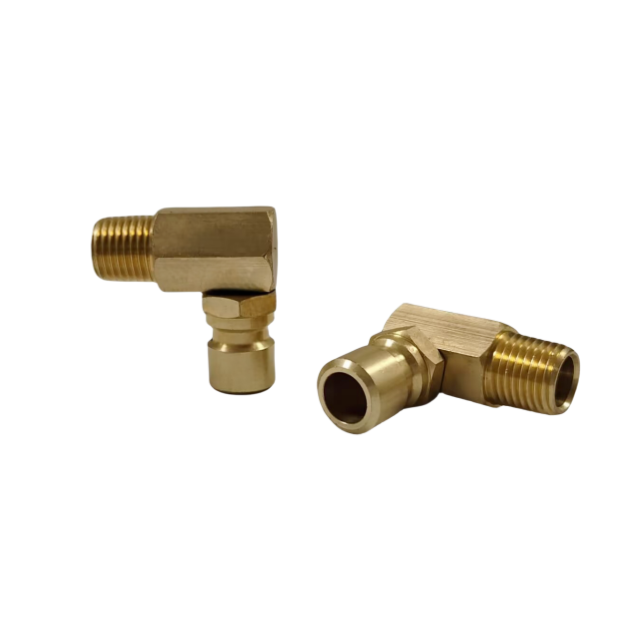
An incompatible coupling may fail to seal, even if its plug appears to fit the socket. Differences in mating geometry, thread type, or seal compression can create leakage paths. In a mold cooling circuit, leakage may disrupt water circulation and increase maintenance requirements.
Flow restrictions present another risk. A connector with a smaller internal passage or restrictive valve design may reduce the flow available to the mold. This can affect heat removal and contribute to inconsistent process temperatures. The actual effect depends on the cooling circuit, operating conditions, and the restriction introduced by the connector.
If leakage or abnormal flow appears after installation, stop and inspect the connection according to the equipment's safety procedures. Check the model, sealing surfaces, and operating ratings before returning the system to service.
Forcing incompatible components together can damage threads, locking features, and seals. Cross-threading may make removal difficult and require replacement of additional components. Repeated attempts to connect mismatched parts can also increase maintenance time and production interruptions.
A damaged connection may not show obvious problems during initial assembly. Leakage can appear only after pressure is applied or the system reaches its normal operating temperature. This makes pre-installation verification especially important.
An adapter may be appropriate when the existing port and replacement coupling use different thread types or connection arrangements. However, the adapter must match both interfaces and remain suitable for the system's operating conditions. It should not be used to compensate for an incompatible quick-coupling mating profile.
Evaluate the adapter's material, pressure rating, temperature range, sealing method, and internal passage. Additional joints may introduce more potential leak points. The adapter may also reduce flow or increase the assembly's overall length. Confirm that it will not interfere with nearby mold components or maintenance access.
Tip: An adapter solves a defined interface mismatch only when the complete connection remains technically suitable.
Before ordering, compare the proposed coupling against the original connection requirements. The following checklist helps purchasing teams and maintenance engineers evaluate products consistently.
Checkpoint | What to verify |
|---|---|
Coupling series | Exact model and compatible mating components |
Plug and socket | Diameter, profile, engagement depth, and locking design |
Thread connection | Standard, nominal size, pitch, and connection gender |
Sealing system | O-ring position, seal material, and shut-off function |
Material | Compatibility with cooling water and operating environment |
Flow capacity | Internal passage and available flow data |
Operating ratings | Working pressure and temperature limits |
Documentation | Technical drawing and written compatibility confirmation |
Use this checklist to compare supplier proposals on technical suitability rather than appearance or price alone. If a specification is missing, request clarification before approving the order.
Evaluate suppliers based on the quality of their technical documentation, product consistency, material information, and ability to confirm compatibility. A useful proposal should identify the exact model and explain how it matches the existing connection. Drawings should clearly show critical dimensions and thread specifications.
For threaded brass connections, Different Type Brass Internal Hexagon Straight Male Nipple Fittings can serve as a reference when reviewing fitting configurations. Buyers should still confirm the intended application and whether the component forms part of a compatible coupling assembly.
Compare quality inspection procedures, traceability, delivery arrangements, and support for replacement orders. If several models appear suitable, ask each supplier to confirm the same set of specifications. This creates a consistent basis for evaluating quotations and reduces the risk of comparing products with different technical capabilities.
A complete inquiry should contain the original model number, photographs, dimensional measurements, connection type, and application details. State whether the coupling will carry cooling water or another medium. Include the required working pressure, temperature range, and flow requirements when available.
Ask the supplier to provide the proposed model number, technical drawing, material specification, and operating ratings. If the replacement differs from the original design, request an explanation of the differences and confirmation of compatibility. For larger orders, consider evaluating a sample before approving the full quantity.
Tip: Standardize the information collected for every coupling inquiry. It makes supplier comparisons easier and helps prevent repeat purchasing errors.
Choosing the right American Standard Quick Coupling for DME requires checking dimensions, threads, seals, and operating ratings. These checks help prevent leaks and reduce downtime. Tianying company offers suitable connector options and product support to help buyers evaluate specifications and identify reliable fitting solutions.
A: Match the coupling series, dimensions, threads, seals, and operating ratings.
A: Yes, if verified specifications confirm compatibility.
A: Compare technical drawings, thread types, and mating dimensions.
A: Incorrect seals, mismatched threads, or incompatible mating profiles may cause leakage.
A: Yes, if pressure ratings, sealing, and flow requirements remain suitable.


