
close
Choose Your Site
Global
Social Media


Views: 0 Author: Site Editor Publish Time: 2026-10-06 Origin: Site


How much time does your team lose during every mold changeover? Repeated hose connections can delay production and increase manual work. A suitable Quick Coupling simplifies these tasks and supports faster mold changes. Discover how to reduce downtime, improve connection reliability, and streamline your changeover process.
A quick coupling reduces the manual work involved in connecting mold service lines. Operators can connect compatible components through a designed mating interface. They do not need to repeat every step required by a conventional threaded connection. This advantage becomes more useful when a mold has several cooling circuits. Each connection represents another task during the changeover process. Reducing handling time across these tasks can make the overall workflow more efficient.
For example, consider a mold that uses separate inlet and outlet hoses. Operators must disconnect both hoses before removing the mold. They must then reconnect them after installing the replacement mold. A suitable quick coupling can simplify both operations. The actual time saved depends on the connector design, hose access, operator experience, and number of connections. Manufacturers should measure these factors instead of assuming a fixed productivity gain.
Traditional threaded fittings often require operators to turn components several times. They may also need tools to tighten or loosen connections. Restricted access can make these operations more difficult. A compatible quick coupling reduces the number of manual steps needed for routine connection tasks. Operators can then focus on mold positioning and other setup requirements.
However, threaded connections still have valid uses. Some systems require fixed joints or specific sealing arrangements. Quick coupling is most valuable when a connection must be disconnected and reconnected regularly. Buyers should compare the complete connection process, including inspection and maintenance. They should not compare connection speed alone.
A well-organized connection layout makes mold removal easier to manage. Operators can identify service lines, disconnect them in a defined order, and prepare the mold for lifting. After installation, they can reconnect the lines according to a documented layout. This approach reduces confusion when several molds share one production area.
Connection accessibility also matters. Poorly positioned fittings can slow operators even when they use quick coupling. Hose lengths, bending space, labels, and connection orientation all affect the workflow. Manufacturers should review these details when planning a mold changeover system.
Quick coupling can support more repeatable connections when manufacturers standardize interfaces. Labels and color coding can help operators identify each circuit. Compatible connectors also reduce the chance of joining components that should not connect. These measures become especially useful when molds contain multiple cooling channels.
However, a quick connection does not automatically prevent every error. Operators must still check the correct line, connector engagement, and flow direction. Different circuits should have clear identification and documented connection points. This combination improves consistency without removing essential safety checks.
Reliable connections help reduce delays caused by leaks or loose fittings. Some quick couplings use shut-off valves that limit fluid loss during disconnection. The suitability of this design depends on the circuit and required flow characteristics. For mold cooling, preventing leakage can also help keep the surrounding work area clean.
Tip: Standardize connection labels and inspection steps before changing every mold. This helps operators work consistently across shifts.
Cooling lines are a practical application for mold quick coupling. They carry water or another approved cooling medium through the mold. Operators may need to disconnect these lines whenever a mold leaves the machine. Suitable quick couplings can make the process easier and reduce repeated manual handling.
The connector must match the mold's existing interface. For example, Japanese Standard Hex Hole Cooling Water Nipples are described for connecting coolant lines to mold tools. The product page also identifies compatibility with certain existing mold nipples. Buyers should verify dimensions, thread requirements, and the intended mating component before ordering. Compatibility should never be assumed from appearance alone.
Some molds use hydraulic or pneumatic circuits for core pulling, clamping functions, or other auxiliary operations. These circuits may also require disconnection during mold replacement. A purpose-designed quick coupling can simplify the process when its ratings match the application.
Hydraulic connections require particular care. Pressure, residual energy, fluid type, and the risk of accidental release must be considered. General-purpose hose connectors are not automatically suitable for hydraulic service. Pneumatic circuits also require suitable pressure ratings and safe isolation procedures. Operators must follow equipment instructions before disconnecting any pressurized line.
Complex molds may need several cooling circuits and auxiliary connections. Handling each line separately can create repetitive work. A standardized layout helps operators identify the correct connection points and follow a consistent sequence. Multi-coupling plates may also help when many circuits need to be connected together.
The best configuration depends on the mold design and machine arrangement. Manufacturers should map each circuit before selecting connectors. They should also consider access, hose routing, maintenance, and the consequences of an incorrect connection. These preparations help turn quick coupling into a repeatable process improvement.
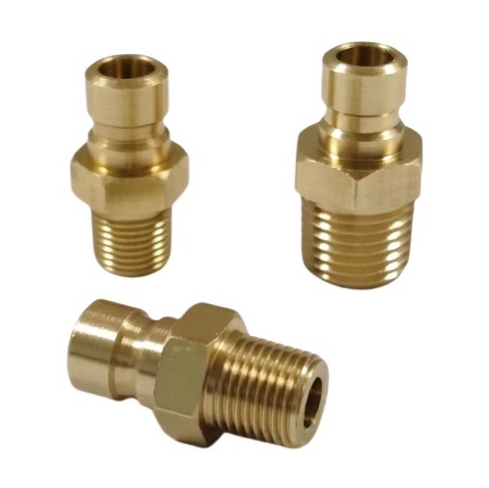
Quick coupling and threaded fittings differ mainly in how operators join and separate components. Threaded connections usually require rotational movement and correct tightening. Quick couplings use a designed mating and locking mechanism. This can simplify frequent connection tasks, especially when fittings are easy to reach.
Comparison factor | Quick coupling | Conventional threaded fitting |
|---|---|---|
Connection method | Designed mating and locking action | Thread engagement and tightening |
Frequent disconnection | Often suitable | May require more manual work |
Leak prevention | Depends on seals and design | Depends on threads and sealing method |
Inspection needs | Locking and seal checks | Thread, seal, and tightening checks |
Best application | Repeated, compatible connections | Fixed or infrequently disconnected joints |
Neither design is automatically better in every situation. The correct choice depends on the fluid circuit, operating conditions, connection frequency, and maintenance requirements.
Shorter connection tasks can reduce the nonproductive portion of mold changeover. Operators spend less time handling each compatible connection. This can be valuable in production environments where molds change frequently. However, connection time is only one part of the total changeover period.
Mold removal, lifting, alignment, clamping, parameter setup, and first-part inspection also affect downtime. Quick coupling cannot remove these tasks. Manufacturers should therefore track connection time separately from total changeover time. This makes it easier to understand whether the investment improves overall production efficiency.
A reliable connection must remain secure throughout normal operation. Quick couplings may contain seals, locking parts, and moving components that need inspection. Threaded fittings can also wear, loosen, or develop sealing problems. Both designs require correct installation and preventive maintenance.
The best comparison considers the full service life. Buyers should review replacement frequency, maintenance access, leakage risk, and compatibility. A coupling that connects quickly but requires frequent repair may not improve long-term productivity.
Tip: Compare complete operating costs, not just the purchase price or initial connection speed.
Selecting the right quick coupling starts with the existing mold connection. Buyers should confirm the connector standard, thread type, dimensions, locking mechanism, and hose arrangement. American, European, Japanese, and French standards may use different interfaces. Components from different standards should not be treated as interchangeable unless compatibility is verified.
The product range on the Quick Coupling product category page includes different connection standards and structural options. Straight, angled, and other configurations can help address different installation spaces. Buyers should match the design to the mold layout and service requirements.
A nylon Type F cam-and-groove coupling provides another example of why product classification matters. The referenced listing identifies nylon construction and an intended use involving pipe connections. Those details alone do not establish suitability for injection mold cooling circuits. Confirm the manufacturer's approved application and operating limits before specifying it.
Material affects durability, chemical compatibility, and service life. Brass is commonly considered for suitable industrial fittings. Stainless steel may suit applications requiring different corrosion resistance. Nylon and other engineering plastics can be useful in compatible systems. Each material has limits, so buyers should assess actual operating conditions.
Temperature, fluid chemistry, mechanical loading, and environmental exposure all influence the decision. Cooling water may contain treatment chemicals or other substances that affect material compatibility. A fitting must also tolerate expected handling and installation loads. Manufacturers should request technical documentation when operating conditions are demanding.
Pressure rating is a critical selection factor. Buyers must distinguish working pressure from other published pressure values. They should also confirm temperature limits and seal compatibility. A connector suitable for a low-pressure cooling line may not be suitable for hydraulic equipment.
Some designs include shut-off valves that help limit fluid loss during disconnection. For example, Low-Pressure Brass Male Thread Shut-Off Nipples are described as part of a double-shut-off quick coupling system. Their stated low-pressure classification is important. Do not select them for a different circuit without verifying the complete system requirements.
Tip: Request drawings, interface specifications, pressure ratings, and temperature limits before approving a coupling for production use.
Standardization makes repeated work easier to manage. Manufacturers can define consistent connection positions where mold and machine designs allow it. Each hose should have a clear purpose and identification label. Connection maps can show operators where each line belongs.
This approach reduces the time spent identifying hoses during a changeover. It also helps maintenance teams investigate problems. Where different molds require different interfaces, document those differences clearly. Standardization should improve compatibility without forcing unsuitable fittings into a system.
Preparation can reduce avoidable delays during mold replacement. Before the scheduled change, operators can inspect the next mold's hoses and fittings. They can check seals, connector condition, labels, and required tools. They can also confirm that the correct mold and accessories are ready.
These tasks may be completed before the machine stops, where site procedures permit. This reduces the work that must happen during downtime. Operators should never bypass isolation or safety procedures to save time. Preparation must follow the plant's approved changeover plan.
Single-Minute Exchange of Die, or SMED, focuses on reducing setup time. One key principle is separating internal tasks from external tasks. Internal tasks require the machine to stop. External tasks can be completed while it continues operating, when safe and practical.
Quick coupling supports SMED by simplifying connection and disconnection tasks. However, the largest improvement often comes from reviewing the entire workflow. Teams can record each step, remove unnecessary movement, prepare tools in advance, and standardize the sequence. They should then test the revised method and measure the result.
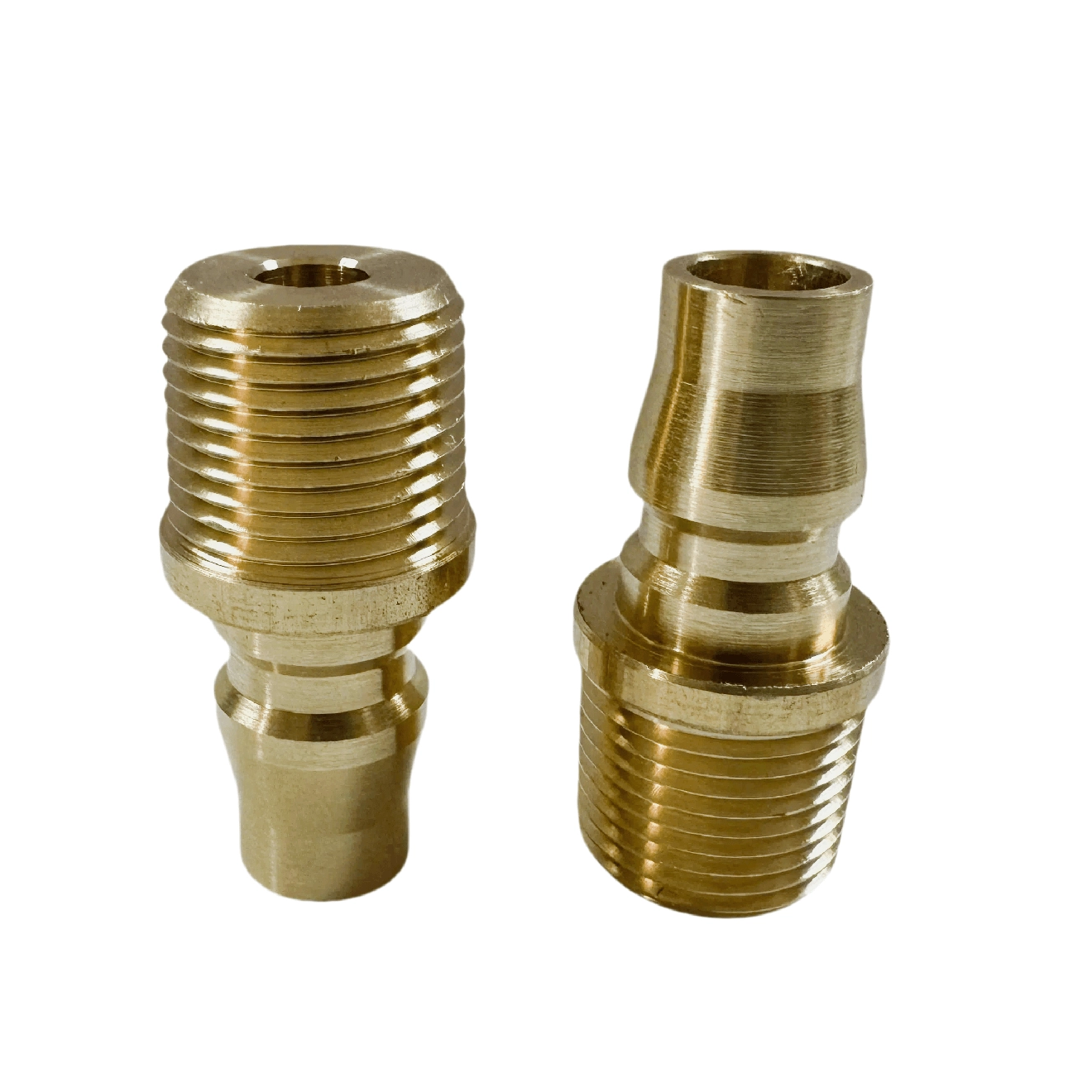
Before installation, check the interface dimensions and connection standard. Confirm the working pressure, temperature range, and fluid compatibility. Verify that both mating components are designed to work together. Check whether the system requires a shut-off function or a particular flow capacity.
Installation should follow the manufacturer's instructions. Avoid forcing mismatched components together. Confirm that hose assemblies are suitable for the intended service. Document the approved parts so future replacements maintain the same specifications.
Regular inspection helps prevent leakage and unexpected downtime. Look for damaged seals, cracks, deformation, corrosion, and worn locking parts. Check hose connections for signs of movement or damage. Replace defective components according to manufacturer guidance.
Inspection frequency should reflect operating conditions and connection cycles. High-use production lines may need more frequent checks. Maintenance teams should record recurring failures and identify their causes. This can reveal whether the problem comes from wear, incorrect handling, contamination, or unsuitable component selection.
After reconnecting the mold, operators should follow the approved startup procedure. Confirm that each connector is fully engaged and secured. Check for leakage using the site's approved method. Verify cooling flow and other relevant functions before production resumes.
Never disconnect a pressurized line unless the equipment procedure specifically permits it. Isolate the circuit and release stored pressure as required. Hydraulic and pneumatic systems may retain energy after shutdown. Safety checks remain essential, even when a quick coupling makes connection easier.
Tip: A faster connection process must never replace pressure isolation, leak testing, or machine safety checks.
Manufacturers should measure the current process before changing fittings. Record how long operators spend disconnecting and reconnecting mold service lines. Include all relevant connections and note any delays caused by poor access or unclear identification. Keep mold lifting, alignment, clamping, and production checks separate from connection time.
Use several changeovers under comparable conditions. Different molds may have different numbers of cooling channels and auxiliary connections. Operator experience can also affect results. Recording these differences makes the comparison more reliable. A clear baseline helps manufacturers determine whether quick coupling delivers a meaningful improvement.
Use a simple formula to measure the improvement.
Time Saved = Previous Connection Time − New Connection Time
For example, assume a team previously spent 12 minutes connecting and disconnecting service lines. After installing suitable quick couplings, the same task takes 7 minutes. The calculated saving is 5 minutes per changeover. These figures are illustrative only and require verification through production measurements.
The percentage reduction can also be calculated using this formula:
Time Reduction (%) = (Time Saved ÷ Previous Connection Time) × 100
In this example, connection time decreases by approximately 41.7%. However, total mold changeover time will not necessarily decrease by the same percentage. The overall improvement depends on how much of the original changeover time was spent connecting and disconnecting lines.
Connection speed is only one performance indicator. Manufacturers should also track total downtime, labor requirements, leakage incidents, and connection errors. These measures help identify whether faster connections improve production reliability. They also show whether maintenance costs change after installation.
A practical evaluation should compare results over a representative production period. Record the number of changeovers and the types of molds involved. Consider component costs and maintenance requirements when estimating the financial benefit. Avoid claiming a productivity gain based on a single test.
The following table summarizes useful indicators.
KPI | What to measure | Why it matters |
|---|---|---|
Connection time | Minutes per changeover | Shows direct time savings |
Total changeover time | Machine downtime per mold change | Measures overall impact |
Connection errors | Incorrect or incomplete connections | Indicates process consistency |
Leakage incidents | Events during startup or operation | Helps evaluate sealing reliability |
Maintenance cost | Inspection, repairs, and replacement parts | Supports lifecycle cost analysis |
Tip: Compare the same tasks before and after installation to avoid overstating the improvement.
Quick Coupling simplifies mold changeovers and reduces avoidable downtime. Proper selection ensures reliable connections, safe operation, and easier maintenance.
TY Quick Coupling offers connection solutions for compatible applications. Its product range helps manufacturers improve efficiency through suitable fittings and technical support.
A: Quick coupling simplifies hose connections, reduces manual work, and helps minimize machine downtime.
A: Choose compatible cooling water couplings based on pressure, temperature, materials, and connection standards.
A: Quick coupling supports faster, repeatable connections during frequent mold changes.
A: Compare connection times before and after installation across several similar mold changeovers.
A: Yes. Inspect seals, locking mechanisms, and hose connections to prevent leaks and failures.


