
close
Choose Your Site
Global
Social Media


Views: 0 Author: Site Editor Publish Time: 2025-12-24 Origin: Site


In fast-paced industries, efficiency is key. How can we streamline connections without tools?
The male quick connector is the answer. This essential component enables quick, secure connections, improving operational efficiency across various sectors.
In this article, we will explore the definition of male quick connectors, their types, and the key benefits they offer in enhancing productivity and safety.
A male quick connector is a crucial component in fluid and gas pipeline systems, allowing for fast, tool-free connections and disconnections. It typically consists of an exposed male plug that fits into a female counterpart, creating a secure connection without the need for specialized tools. This feature is particularly beneficial in environments where quick maintenance and frequent changes of connections are necessary.
These connectors are designed to streamline operations, reducing downtime and improving efficiency. In industrial settings, they are widely used for hydraulic, pneumatic, and other fluid transfer systems.
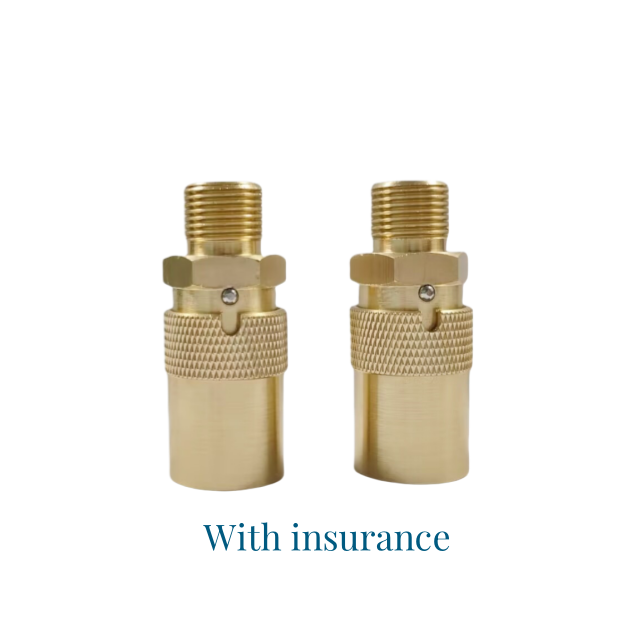
Unlike traditional connectors, which often require tools like wrenches for assembly, male quick connectors are designed for ease of use. They are typically structured with a male plug that easily fits into a female socket, using a simple locking mechanism to secure the connection.
In comparison to standard connectors, which may involve threaded connections or flanged joints, male quick connectors provide a more efficient and quicker solution. The ability to connect and disconnect without additional tools is a significant advantage, especially in industries where speed and safety are paramount.
Quick connectors, especially male quick connectors, function through a locking mechanism that holds the male plug securely in place within the female connector. Here’s how they work:
1. Insertion: To connect, the male plug is pushed into the female socket. As it enters, the internal locking mechanism engages, securing the plug in place.
2. Locking: The connector typically uses a collet or ball lock mechanism that holds the parts together tightly. This ensures there’s no accidental disconnect during operation.
3. Disconnection: To disconnect, the user simply depresses a release button or collar, which disengages the lock, allowing the male connector to be pulled out easily without any fluid spill or pressure loss.
These quick connectors are ideal for environments where frequent connections and disconnections are needed, such as in automotive repairs, manufacturing lines, and even lab equipment setups.
Male quick connectors are widely used in hydraulic and pneumatic systems. In these high-pressure environments, quick connectors allow operators to swiftly change lines, maintenance tools, or parts without disrupting the workflow. These connectors are often used in systems like:
Application Type | Example Usage | Pressure Range | Typical Fluids |
Hydraulic Systems | Hydraulic fluid transfer in machinery | High Pressure | Oil, Water, Chemicals |
Pneumatic Systems | Compressed air tools and systems | Medium Pressure | Air, Gases |
Fluid Systems | In systems requiring fast disconnections | Low to High Pressure | Water, Oil, Gas |
These connectors help maintain system integrity while reducing the risk of fluid leakage or air contamination, ensuring smoother operations.
In industrial equipment, male quick connectors significantly reduce downtime. Whether in factory automation, oil and gas production, or chemical processing, these connectors simplify maintenance by providing quick, leak-proof disconnections. Their ease of use also minimizes the risk of errors, improving productivity.
For example, quick connectors are used to disconnect power or fluid lines from industrial machinery during maintenance or repair. This allows engineers to replace or service parts efficiently, without compromising safety or system integrity.
The automotive industry heavily relies on male quick connectors, particularly in the repair and maintenance of vehicles. These connectors are used in fuel lines, cooling systems, and air conditioning units to enable fast, tool-free connection and disconnection. Their efficiency helps reduce maintenance costs and vehicle downtime, which is crucial for fleet operators and repair shops.
For instance, in engine cooling systems, quick connectors allow easy replacement of hoses or radiator connections without needing to remove large parts, saving time and resources.
One of the primary benefits of male quick connectors is the increased operational efficiency they bring to industrial operations. In environments where frequent connections and disconnections are necessary, these connectors reduce the time spent on each changeover. With quick connectors, workers don’t need to gather tools, making the process faster and more efficient.
This leads to significant time savings, which can improve overall throughput and productivity in manufacturing environments or during routine maintenance checks.
Male quick connectors are designed with a tight sealing mechanism that prevents fluid leakage or contamination during disconnection. This is especially important in industries such as chemical manufacturing, pharmaceuticals, and food processing, where contamination control is critical.
The locking mechanism also minimizes the risk of fluid loss during connection and disconnection, ensuring that processes remain clean and safe. The ability to prevent accidental spills of hazardous materials or liquids is a significant advantage in ensuring both workplace safety and compliance with environmental regulations.
Accidental disconnections during operation can be a safety hazard, especially in systems under high pressure or those transporting hazardous materials. Male quick connectors mitigate this risk by securely locking the male and female components together. This enhances workplace safety, particularly in industries like construction, oil and gas, and mining, where equipment safety is a priority.
Moreover, the no-leak feature ensures that harmful chemicals or fuels do not accidentally spill, further reducing the chances of accidents and improving overall operational safety.
Male quick connectors can reduce maintenance costs by simplifying repair processes and enabling quicker fixes. Since they are tool-free, they minimize the time spent on assembly and disassembly, reducing labor costs. Additionally, the ease of disconnection ensures that maintenance tasks can be completed more efficiently, further saving on operational costs.
By preventing downtime and reducing the complexity of routine maintenance tasks, businesses can achieve higher productivity levels with lower overhead costs.
When selecting a male quick connector, it's essential to match the connector type with the pressure requirements of your system. High-pressure applications, such as those in hydraulic systems, require connectors that are built to withstand significant pressure levels. Choosing a connector that’s too weak for the job could lead to dangerous leaks or failures.
In addition, ensure that the connector is compatible with the type of fluid or gas being transferred (e.g., water, air, oil, or chemicals) to avoid chemical incompatibility.
The material of the male quick connector plays a critical role in its performance and durability. Stainless steel and brass are commonly used for their resistance to corrosion and wear, making them ideal for use in harsh environments. For applications involving exposure to chemicals or extreme temperatures, these materials help maintain the integrity of the connection over time.
Choosing the right material also ensures that the connector will meet the specific demands of the environment in which it is used, whether it be high temperatures, corrosive substances, or abrasive conditions.
When selecting a male quick connector, consider its durability under the conditions it will face. Connectors used in heavy-duty systems must be resistant to wear and fatigue. For instance, connectors used in oil drilling or mining equipment must be able to handle harsh operating conditions without failure.
Routine maintenance is also essential. Some connectors may require occasional inspection and cleaning to prevent clogging or degradation of seals. Choosing connectors with low-maintenance requirements can help reduce operational costs and increase the longevity of your system.
The male quick connector is a vital component for industries requiring fast, tool-free connections. It improves efficiency, reduces leakage risks, and lowers maintenance costs. These connectors provide secure, easy-to-use solutions that optimize workflows. Companies like Dongguan Tianying Co., Ltd. offer high-quality male quick connectors, ensuring reliable performance and enhanced productivity in various sectors.
A: A male quick connector is a device used to quickly connect and disconnect pipelines without tools, ensuring a secure, fast, and efficient connection.
A: Male quick connectors speed up the connection and disconnection process, reducing downtime and increasing overall productivity, especially in high-demand environments.
A: Male quick connectors provide faster connections, reduce the need for tools, and minimize fluid leakage, making them ideal for systems that require frequent changes.
A: Male quick connectors are widely used in industries like automotive, manufacturing, hydraulics, and pneumatics for seamless connections in fluid and gas transfer systems.
A: Yes, male quick connectors help reduce labor costs and maintenance expenses by simplifying system connections and minimizing downtime.


