
close
Choose Your Site
Global
Social Media


Views: 0 Author: Site Editor Publish Time: 2025-08-20 Origin: Site


In the realm of fluid transfer systems, quick couplings serve as indispensable components that facilitate the rapid and efficient connection and disconnection of fluid lines. These devices are crucial in various industries, including agriculture, automotive, and manufacturing, where time and efficiency are paramount. The quick coupling is designed to enhance productivity by minimizing downtime and ensuring seamless fluid transfer. This article delves into the intricacies of maintaining and troubleshooting quick couplings, offering insights into their functionality, common issues, and best practices for optimal performance.
Quick couplings are mechanical devices that allow for the swift connection and disconnection of fluid lines without the need for tools. They are engineered to provide a secure and leak-proof seal, ensuring the safe transfer of fluids under various pressures and temperatures. The design of a quick coupling typically includes a male and female component, which lock together to form a tight seal. These couplings are used in a wide range of applications, from hydraulic systems to water hoses, each requiring specific considerations for maintenance and troubleshooting.
There are several types of quick couplings, each designed for specific applications and fluid types. The most common types include hydraulic quick couplings, pneumatic quick couplings, and quick couplings for water hoses. Hydraulic quick couplings are used in systems where high-pressure fluid transfer is required, such as in construction equipment and industrial machinery. Pneumatic quick couplings are used in air systems, while quick couplings for water hoses are commonly found in agricultural and gardening applications. Understanding the specific type of quick coupling and its application is crucial for effective maintenance and troubleshooting.
Despite their robust design, quick couplings can encounter several issues that may hinder their performance. Common problems include leaks, connection failures, and wear and tear. Leaks can occur due to damaged seals or improper connections, leading to fluid loss and reduced system efficiency. Connection failures often result from misalignment or debris obstructing the coupling mechanism. Wear and tear are inevitable over time, especially in high-pressure applications, and can lead to reduced performance or complete failure of the coupling.
Leaks are one of the most common issues faced by quick coupling users. They can be identified by visual inspection or by observing a drop in system pressure. To address leaks, it is essential to inspect the seals and O-rings for damage or wear. Replacing these components can often resolve the issue. Additionally, ensuring that the coupling is properly aligned and securely connected can prevent leaks from occurring.
Connection failures can disrupt fluid transfer and lead to system downtime. These failures are often caused by debris or misalignment of the coupling components. Regular cleaning and maintenance of the coupling can prevent debris buildup and ensure smooth operation. It is also important to verify that the coupling components are properly aligned and locked in place before initiating fluid transfer.
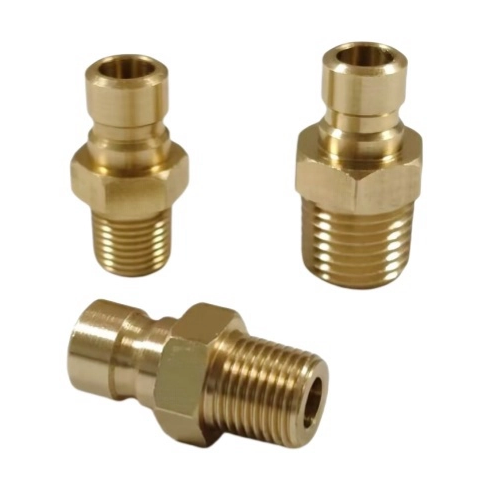
Proper maintenance is key to ensuring the longevity and performance of quick couplings. Regular inspection and cleaning can prevent many common issues and extend the life of the coupling. It is recommended to inspect the coupling for signs of wear or damage before each use. Cleaning the coupling components with a suitable solvent can remove debris and contaminants that may impede performance. Additionally, lubricating the coupling components can reduce friction and wear, enhancing their functionality.
Routine inspection of quick couplings involves checking for visible signs of wear, such as cracks or deformations. It is also important to inspect the seals and O-rings for damage, as these components are critical to preventing leaks. Any damaged components should be replaced immediately to maintain the integrity of the coupling.
Cleaning quick couplings involves removing any dirt or debris that may have accumulated on the components. This can be done using a soft brush and a suitable cleaning solvent. After cleaning, it is important to lubricate the coupling components to reduce friction and wear. A light application of lubricant can enhance the performance and longevity of the coupling.
Troubleshooting quick couplings involves identifying and resolving issues that may affect their performance. This process requires a systematic approach to diagnose the problem and implement the appropriate solution. Common troubleshooting steps include checking for leaks, inspecting the coupling components for damage, and ensuring proper alignment and connection.
Diagnosing leaks in quick couplings involves inspecting the seals and O-rings for damage or wear. It is also important to check the alignment and connection of the coupling components. In some cases, leaks may be caused by excessive pressure or temperature, which can be addressed by adjusting the system parameters.
Connection issues can be resolved by ensuring that the coupling components are properly aligned and securely connected. Regular cleaning and maintenance can prevent debris buildup and ensure smooth operation. In some cases, replacing worn or damaged components may be necessary to restore the functionality of the coupling.
Quick couplings are essential components in fluid transfer systems, providing efficient and reliable connections for various applications. Proper maintenance and troubleshooting are crucial to ensuring their optimal performance and longevity. By understanding the common issues and implementing best practices for maintenance, users can enhance the functionality and lifespan of their quick couplings.
If you want more information on quick couplings, contact us at dgtianying@188.com or call us at +86-769-85498563.
1. What are the main types of quick couplings?
Quick couplings come in various types, including hydraulic quick couplings, pneumatic quick couplings, and quick couplings for water hoses. Each type is designed for specific applications and fluid types.
2. How can I identify leaks in my quick coupling?
Leaks can be identified by visual inspection or by observing a drop in system pressure. Inspecting the seals and O-rings for damage or wear can help diagnose the issue.
3. What causes connection failures in quick couplings?
Connection failures are often caused by debris or misalignment of the coupling components. Regular cleaning and maintenance can prevent these issues.
4. How often should I inspect my quick couplings?
It is recommended to inspect quick couplings for signs of wear or damage before each use. Routine inspection can prevent many common issues and extend the life of the coupling.
5. What is the best way to clean quick couplings?
Cleaning quick couplings involves removing dirt or debris using a soft brush and a suitable cleaning solvent. Lubricating the components after cleaning can enhance performance.
6. How can I prevent leaks in my quick coupling?
Preventing leaks involves ensuring proper alignment and secure connection of the coupling components. Regular inspection and replacement of damaged seals and O-rings can also help.
7. What should I do if my quick coupling is not functioning properly?
If a quick coupling is not functioning properly, inspect it for leaks, connection issues, and component damage. Implementing the appropriate troubleshooting steps can restore its functionality.


