
close
Choose Your Site
Global
Social Media


Views: 0 Author: Site Editor Publish Time: 2025-12-18 Origin: Site


Have you ever wondered how manufacturers track the production dates of each item? The answer lies in a small but essential tool: the injection mold date stamp. This device plays a crucial role in marking products with important time-related data, ensuring both traceability and quality control.
In this article, we'll explore what an injection mold date stamp is, its core functions, and how it contributes to manufacturing efficiency. You will learn how this simple yet powerful tool ensures compliance, enhances quality assurance, and facilitates precise product tracking.
An injection mold date stamp is a device integrated into an injection mold that automatically imprints manufacturing dates, batch numbers, or other relevant time data directly onto plastic parts during the molding process. These stamps are designed to improve production traceability, assist in quality control, and ensure compliance with industry standards.
By marking the production date on each part, manufacturers can track product origins, manage inventory, and address quality issues quickly. In industries such as food packaging, pharmaceuticals, and consumer electronics, date stamps are essential for maintaining high standards of safety and quality.
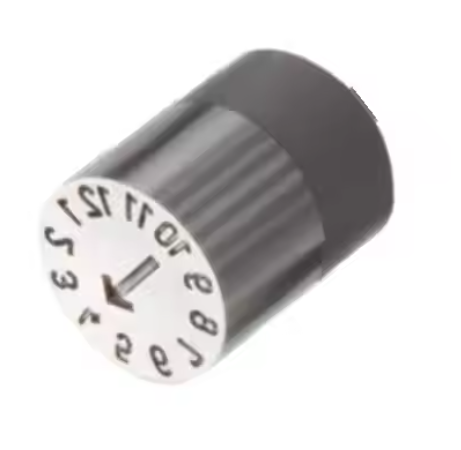
One of the key benefits of an injection mold date stamp is its role in enhancing production traceability. By imprinting critical production information on each molded part, it becomes easier to track the history of a product. If a quality issue arises, the date stamp allows manufacturers to identify which batch a product came from and when it was produced.
This traceability not only helps in narrowing down the root cause of issues but also assists in managing recalls more efficiently. The ability to pinpoint affected batches significantly reduces response time and protects both consumers and manufacturers from the repercussions of faulty products.
Injection mold date stamps also play a significant role in quality assurance. By clearly marking production dates and batch numbers, they provide a reliable and permanent means of tracking product quality throughout its lifecycle. This traceability is essential for ensuring that products meet the required safety and regulatory standards, especially in industries like food and pharmaceuticals.
For customers, visible and accurate date codes build trust. It provides confidence that products are fresh, in good condition, and meet the warranty or shelf-life expectations. The transparency afforded by date stamps improves brand reputation and strengthens customer loyalty.
Injection mold date stamps are composed of several essential components that ensure their functionality during production:
Component | Function |
Year Wheel | Displays the production year, typically marked with a 2–5 digit number. |
Month Wheel | A dial with 12 grooves to represent each month of the year. |
Day Wheel | A dial with 28–31 grooves to mark the production date. |
These wheels are typically adjusted manually or automatically to ensure accurate imprinting of the correct date. Their robustness allows them to withstand high temperatures and pressure in the molding process.
The materials used for the construction of date stamps must be durable enough to withstand the intense pressures and temperatures experienced during injection molding. Typically, hardened steel, stainless steel, and wear-resistant alloys are used. These materials are selected for their strength, resistance to corrosion, and ability to retain precise markings over extended production cycles.
Material | Property | Best Use |
Hardened Steel | Wear-resistant, strong at high temps | High-volume production, durable date marking |
Stainless Steel | Corrosion-resistant | Food packaging, medical device manufacturing |
Wear-resistant Alloys | High strength, temperature resistant | Harsh environments with extreme conditions |
Choosing the right material depends on the specific needs of the production environment and the regulatory requirements of the industry.
Proper installation and adjustment of date stamps are crucial to their functionality. Date stamps are usually mounted securely within the mold cavity, often using screws and dowel pins to prevent any loosening during high-pressure injection cycles.
Operators adjust the wheels using external levers or knobs to set the correct year, month, and day for each production run. Regular checks are necessary to ensure that the date is updated correctly, especially when shifts change or for long production cycles. This helps prevent costly production errors caused by outdated or incorrect date codes.
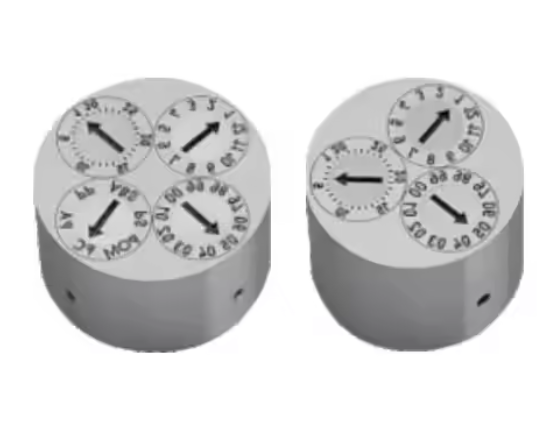
A single date stamp is ideal for applications that require minimal date changes, such as short production runs. It is a manually adjustable device, making it suitable for smaller-scale operations.
Advantages | Limitations | Best Application |
Simple to adjust | Requires manual date changes | Small-batch production, internal components |
Low cost | Can lead to human error | Non-regulated consumer goods |
Best for: Small production batches, non-regulated items, and internal components.
The rotary date stamp is commonly used in high-volume production environments. It consists of a rotating drum with pre-engraved date settings, which allows for quick changes between different dates. These stamps often support automation for fast and efficient date imprinting without manual intervention.
Advantages | Limitations | Best Application |
Quick date changes | Higher initial cost | Food packaging, pharmaceuticals, cosmetics |
Ideal for high-volume runs | Requires more maintenance | Multi-shift operations |
Best for: High-volume industries such as food packaging, pharmaceuticals, and cosmetics.
Custom date stamps are highly versatile, allowing manufacturers to include additional data such as batch codes, lot numbers, or even company logos. These stamps offer enhanced traceability and are designed to meet the unique requirements of various industries.
Advantages | Limitations | Best Application |
Fully customizable | Higher cost and lead time | Regulated industries, export products |
Can include logos or QR codes | Requires more detailed planning | High-end consumer goods, pharmaceutical packaging |
Best for: Regulated industries, high-end products requiring detailed labeling and branding.
A fixed date stamp is pre-engraved with a permanent or semi-permanent date, making it ideal for long production runs. This type of stamp does not require frequent updates and is often used for products with long shelf lives or seasonal production cycles.
Advantages | Limitations | Best Application |
No manual adjustment needed | Limited to one fixed date | Industrial components, long-life packaging |
High durability and reliability | Not suitable for frequent date changes | Components with extended production cycles |
Best for: Industrial products, long-life packaging, and annual or semi-annual production schedules.
It is essential to calibrate date stamps regularly to ensure they continue to provide accurate marks. Each production run should begin with an inspection of the date stamp to confirm that the settings for the year, month, and day are correct.
Frequent checks help minimize the chances of incorrect date imprinting, which could lead to inventory mix-ups, quality control issues, or regulatory non-compliance.
To maintain optimal performance, date stamps should be cleaned regularly to prevent the accumulation of plastic burrs or other debris that could interfere with the imprinting process. Light lubrication is also necessary for the rotating components to ensure smooth operation and prevent wear over time.
● Always inspect the date stamp for signs of wear after long production runs.
● Keep the stamp clean by removing any resin or plastic residue that may build up during molding.
● Use the manufacturer's recommended lubricants to ensure long-term functionality.
In the food packaging industry, date stamps are crucial for marking manufacturing and expiration dates on products. This is especially important for complying with FDA and USDA regulations. Date stamps provide an easy way to monitor product freshness, ensuring that expired goods are not distributed.
Benefit | Application | Regulatory Compliance |
Ensures product freshness | Marking expiration dates on packaging | Complies with food safety regulations |
Aids in inventory management | FIFO/FEFO tracking | Helps manage recalls and audits |
For the pharmaceutical industry, accurate and permanent date stamps are essential for ensuring compliance with GMP and FDA regulations. These stamps track the production and expiration dates of medicines, vials, and blister packs. They help maintain the integrity of pharmaceutical products by ensuring their effectiveness and safety.
Benefit | Application | Regulatory Compliance |
Supports recall management | Marking expiration dates on vials | Meets GMP standards and FDA 21 CFR |
Ensures patient safety | Tracking batch numbers | Helps with lot-specific traceability |
When choosing a date stamp, manufacturers need to assess their production volume and how frequently they need to change the date. For smaller batches, a single date stamp may be sufficient, while high-volume production lines benefit from rotary date stamps or custom stamps that support automation.
Selecting the appropriate material is crucial to ensure the durability of the date stamp. Hardened steel or stainless steel are typically recommended for high-volume and regulated environments due to their durability and resistance to wear.
For automated production lines, consider integrating date stamps with PLC systems or other smart manufacturing technologies. This integration allows for automatic date changes, which can improve efficiency and reduce manual in
Injection mold date stamps are essential for product traceability and quality control in manufacturing. They ensure accurate date marking, streamline production processes, and maintain industry compliance. Choosing the right date stamp is crucial for optimizing production efficiency and avoiding costly errors. Dongguan Tianying Co., Ltd. offers high-quality date stamps that provide reliable performance, ensuring both precision and durability for various industries.
A: An injection mold date stamp is a tool integrated into injection molds to imprint production dates, batch numbers, or expiration dates on molded plastic parts, ensuring traceability and quality control.
A: It streamlines the production process by automatically marking each part with critical time-related data, reducing manual labeling errors and enhancing batch tracking.
A: The injection mold date stamp ensures that products comply with industry regulations by marking them with accurate production or expiration dates, which is essential for recall management and safety.
A: A rotary injection mold date stamp allows for quick date changes and supports automation, making it ideal for high-volume production environments where frequent date adjustments are needed.
A: Regular cleaning and lubrication are essential for maintaining the injection mold date stamp, ensuring smooth operation and prolonging its lifespan under high-pressure molding conditions.


