
close
Choose Your Site
Global
Social Media


Views: 0 Author: Site Editor Publish Time: 2026-02-26 Origin: Site


DME stand for quick connects can easily be confused with Durable Medical Equipment in aviation contexts.
The term DME can create misunderstandings across many professions.
Individuals often find themselves perplexed in navigation documents and medical invoices.
Understanding what DME stand for quick connects means can help you avoid errors and ensure you select the appropriate parts.
DME in quick connects stands for Detroit Mold Engineering. It is important for mold parts and fittings. - DME can mean different things in other fields. You need to know the context to not get confused. - Picking the right DME quick connect keeps your work safe and efficient. - DME quick connects work well and fit many systems. They help save time and stop leaks. - Checking DME fittings often and knowing what they are stops mistakes and keeps equipment safe.
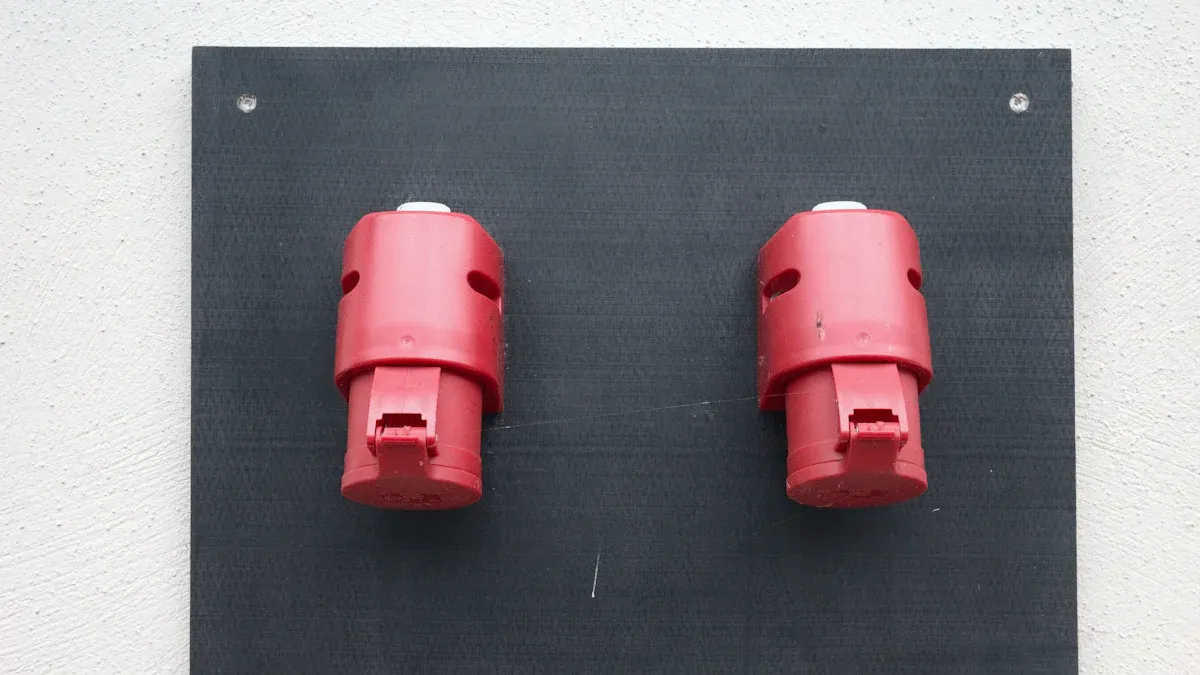
You might see dme stand for quick connects in catalogs or guides. In this case, dme means Detroit Mold Engineering. This company makes mold parts and quick connect fittings. These fittings let you join and remove fluid lines fast and safely. Dme quick connects are used in plastic injection molding machines. They help you work faster and stop leaks from happening.
If you pick dme quick connects, you get parts that match many standards. These fittings are strong and last a long time. Many engineers and technicians use dme products because they trust the company. If you work with molds or handle fluid lines, you will probably use dme quick connects.
Tip: Always look at the product label or catalog. Make sure you have the right dme quick connect for your job.
You may see dme in other jobs, and this can be confusing. In aviation, dme means Distance Measuring Equipment. Pilots use it to find out how far they are from a ground station. In medicine, dme stands for Durable Medical Equipment. Hospitals use this word for things like wheelchairs and oxygen tanks.
Here is a simple table to help you remember:
Industry | DME Meaning | Example Use |
|---|---|---|
Quick Connects | Detroit Mold Engineering | Mold quick connect fittings |
Aviation | Distance Measuring Equipment | Aircraft navigation |
Medical | Durable Medical Equipment | Hospital supplies |
You should always check what dme means in your work. If you use quick connects, dme stand for quick connects almost always means Detroit Mold Engineering. In aviation or healthcare, it means something else. Knowing the context helps you avoid mistakes and pick the right equipment.
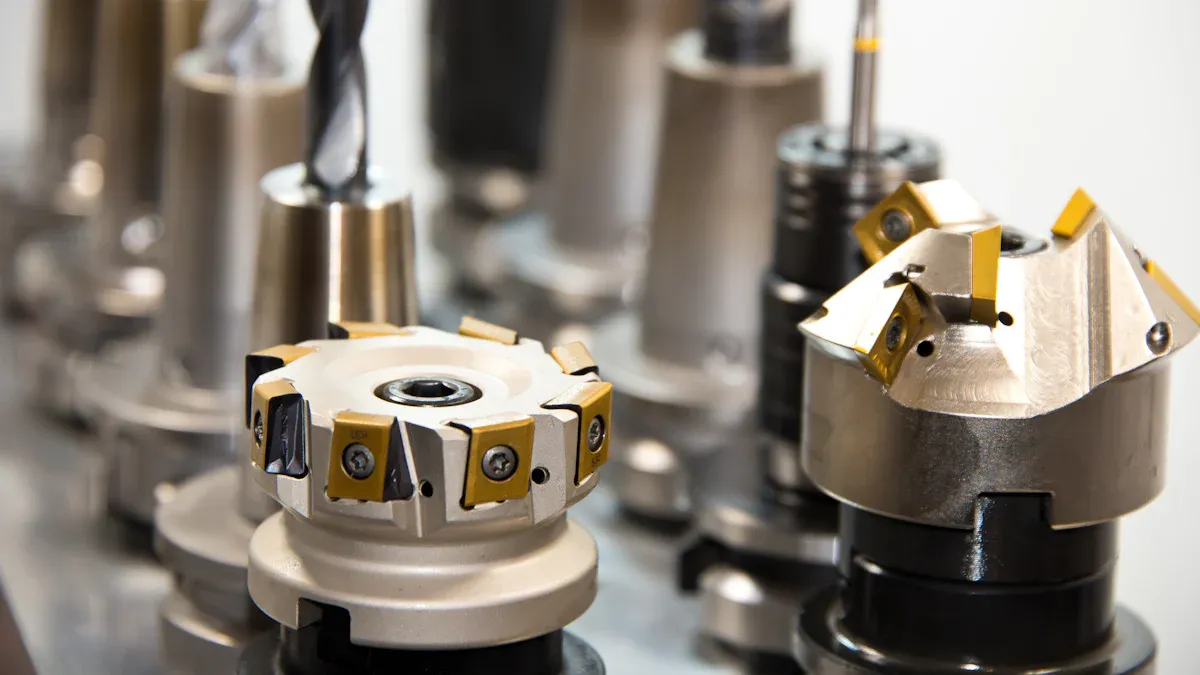
You will find dme quick connects in many industries that need fast and safe connections. These fittings help you save time and reduce leaks. The plastics and die casting industries use dme quick connects the most. Workers in these fields rely on them for their daily tasks.
Here is a table that shows where you will see high usage of dme quick connects:
Industry | Usage of DME Quick Connects |
|---|---|
Plastics | High |
Die Casting | High |
You can also spot these fittings in other areas. Many factories use them in hydraulic systems, pneumatic systems, and water hose systems. Each system needs quick and secure connections to keep machines running smoothly.
Application Type | Description |
|---|---|
Fast, secure, and leak-free connections in high-pressure environments. | |
Pneumatic Systems | Seamless connections in air compressors and automated systems, improving safety. |
Water Hose Systems | Reliable connections for irrigation, cooling, and water treatment applications. |
Note: Using the right quick connect fitting helps you avoid downtime and keeps your equipment safe.
When you choose dme quick connects, you should think about your needs and the job you want to do. Look at the type of system you have and the pressure it uses. Make sure the fitting matches your equipment.
Here are some tips to help you pick the right quick connect:
Check if the fitting works with your system.
Make sure it can handle the pressure and temperature.
Look for easy-to-use designs.
Choose fittings from trusted vendors who offer support.
A good choice will help you work faster and safer. You will also spend less time fixing leaks or changing parts.
You want your quick connect fittings to fit many systems. DME quick connects follow many world standards. This lets you use them with tools from many places. You can use them with different brands too. The table below lists some main standards for DME quick connects:
Standard | Description |
|---|---|
DME | Compatible with DME standards for quick couplings |
HASCO | Compatible with HASCO standards for quick couplings |
MISUMI | Compatible with MISUMI standards for quick couplings |
JIS | Complies with Japanese Industrial Standards |
AISI | Complies with American Iron and Steel Institute standards |
DIN | Complies with German Institute for Standardization |
These fittings work well in many places. This makes your job easier and saves money. Always check the standards before buying new parts.
You want fittings that are strong and work well. DME quick connects use tough materials and smart designs. They have features like multi-axis self-aligning technology. This helps stop binding and breaking when you use them. The table below shows how DME Accualign Lifter quick connects compare to others:
Feature | DME Accualign Lifter | Alternative Quick Connect Systems |
|---|---|---|
Multi-axis self-aligning tech | Yes | No |
Prevents binding and breakage | Yes | No |
Tested cycles | 2.2 million | Less than 2 million |
Improved production reliability | Yes | Varies |
Longer lifetime performance | Yes | Varies |
Makers use careful steps to check each fitting:
Test the material before making the part
Use barcode tracking while making it
Check every fitting before shipping
DME works hard to make new and affordable solutions. They use their knowledge and new ideas to help you. When you pick these quick connects, you get good results and feel sure about your choice.
You can spot DME quick connect fittings by looking for the company’s logo or part number on the fitting. Most DME fittings have a unique shape and finish. You may notice a smooth surface and a sturdy build. If you see a fitting with a barcode, you can scan it to check if it matches your equipment. This helps you avoid mistakes in dme billing and ensures you use the right part for your system.
When you work in a busy shop, you might find different brands of quick connects. Always compare the fitting to the catalog or manual. If you feel unsure, ask a supervisor or check with the supplier. Using the correct fitting keeps your machines safe and helps with patient care in medical settings.
Tip: Keep a small chart or photo guide near your workbench. This makes it easy to check fittings at a glance.
Sometimes, you may face problems with DME quick connects. These issues can slow down your work or cause leaks. You can follow these steps to troubleshoot faulty fittings:
Test the connection between the KLR and DME. Check for voltage and make sure you have good continuity.
Inspect the NTCII temperature sensor and its wires. Look for any shorts or breaks.
Use the workshop manual to check voltage at the right DME pins. Test the throttle position sensor (TPS) as well.
Look closely at the DME shell and plug. Search for any signs of damage or wear.
If you find a problem, replace the faulty part right away. This helps you avoid errors in dme billing and keeps your equipment running. Good troubleshooting also supports patient care by making sure all systems work as they should.
Note: Regular checks and quick repairs help you prevent bigger problems later.
When you see DME, you might not know what it means. The meaning changes based on your job. In quick connects, DME stands for Detroit Mold Engineering. In other jobs, DME can mean distance measuring equipment or durable medical equipment. Knowing the difference helps you pick the right thing and avoid mistakes.
In aviation, distance measuring equipment helps pilots fly safely. You find this equipment at airports and on planes. It works with other systems like ILS and VOR. These systems give pilots the right distance information. This helps planes land safely and stay on the right path.
Distance measuring equipment is used all over the world. Air traffic is growing, so more airports use this equipment. New technology makes distance measuring equipment better by using satellites. The table below shows why distance measuring equipment is important in aviation:
Evidence Type | Description |
|---|---|
Usage in Aviation | Distance measuring equipment is widely used with ILS and VOR systems for precise navigation. |
Growth Drivers | More air traffic and better airspace management increase the use of distance measuring equipment. |
Technological Advances | Satellite navigation and reliable units improve distance measuring equipment. |
Market Projection | The market for distance measuring equipment is expected to grow worldwide. |
Tip: If you work with planes, check if your aircraft uses distance measuring equipment for flying.
In healthcare, durable medical equipment means tools that help patients. You see these tools in hospitals, clinics, and homes. Some examples are wheelchairs, oxygen tanks, and hospital beds. Durable medical equipment must follow strict rules to keep people safe.
You need to do many things to use durable medical equipment. Each state has its own rules for licenses and registration. You also have to follow federal rules like Medicare and FDA laws. The table below lists some main rules for durable medical equipment:
Regulatory Aspect | DME Requirements |
|---|---|
State Licensing | Rules change by state; you need business registration and special licenses for durable medical equipment. |
Accreditation | You must pass inspections and train staff to keep contracts for durable medical equipment. |
Federal Regulations | Durable medical equipment must follow Medicare, HIPAA, and FDA rules. |
Quality Assurance Programs | You need regular checks for records and inventory of durable medical equipment. |
Patient Safety Requirements | You must keep up with maintenance and safety checks for durable medical equipment. |
False Claims Act | You must avoid mistakes in billing for durable medical equipment to prevent legal problems. |
Note: Always check the newest rules before you buy or use durable medical equipment.
Distance measuring equipment and durable medical equipment mean different things. Always look at the situation to know which one you need.
You now know that dme stand for quick connects means Detroit Mold Engineering in the world of quick connect fittings. Always check the context, because dme can mean something different in other fields. If you want to stay updated or need help, you can:
Assign someone to track changes in rules for dme stand for quick connects.
Provide regular training for your team.
You can also find more information in the table below:
Resource Title | Link |
|---|---|
Acronyms and Glossary - JD DME |
DME means Detroit Mold Engineering. You see this name on quick connect fittings in the mold and plastics industries. Always check what DME means so you do not get confused with other meanings.
Look for the DME logo or part number on the fitting. Sometimes, you will see a barcode. If you are not sure, compare the fitting to your catalog or ask your supplier for help.
Many DME quick connects follow rules used by many companies. You can often use them with other brands. Always check the details to make sure they fit your system.
Tip: Look at the product manual to see if it works before you buy.
Field | DME Meaning |
|---|---|
Quick Connects | Detroit Mold Engineering |
Medicine | Durable Medical Equipment |
Aviation | Distance Measuring Equipment |
You should always check what DME means in your work so you know which one someone is talking about.


