
close
Choose Your Site
Global
Social Media


Views: 0 Author: Site Editor Publish Time: 2025-09-03 Origin: Site


To pick the right quick coupling, match the connection type, size, material, and safety features to your system. If you choose a quick coupling that fits your air pressure and flow needs, you can cut down on downtime and make things safer. Some quick coupling models have automatic shut-off valves for better safety. Stainless steel couplings last longer in tough places, and bigger diameters can help flow work better. Tianying gives quick coupling solutions with strong quality checks and custom help. Always look at your needs and ask technical experts to help you pick the right coupling.
Pick the right quick coupling type, size, and material for your system. This helps your system work well and stay safe.
Think about pressure and flow ratings to stop leaks or breaks. Always look at industry standards before you choose.
Pick materials based on the fluid or gas in your system. Stainless steel is good for tough jobs. Brass is good for water.
Check and take care of couplings often to make them last longer. This helps you avoid expensive problems and stops.
Talk to experts like Tianying for custom help and advice. They can help you pick the best coupling for your needs.
To pick the right quick coupling, you must know what your system needs. Think about things like pressure, flow, what fluid or gas you use, the environment, and how often you use the coupling. Knowing these things helps you keep your system safe and working well for a long time. Tianying has many quick coupler fittings and custom options. These can help with mold cooling systems and other jobs in factories.
Pressure and flow are very important when picking a quick coupling. The coupling’s pressure rating must match your system’s highest pressure. If you pick one with a lower rating, it might leak or break. Always check both static and moving pressure needs. Burst pressure ratings give extra safety if pressure jumps up. Some systems, like hydraulic ones, have different pressure ratings when connected or not. Leftover pressure can also change how safe and well the coupling works.
Tip: Always look at industry standards like ISO 16028 or ISO 7241 before picking quick coupler fittings. These rules help make sure different brands and systems work together and stay safe.
Here is a table that shows what you should think about when picking a quick coupling:
Requirement Type | Key Considerations |
|---|---|
Industry Interchangeability | Do you need an industry interchange coupler? What are the functional requirements? Any past issues? |
Material Compatibility | Are the seal and body materials compatible with your system fluid? Is fluid loss or contamination a concern? |
Pressure Ratings | Is the pressure static or dynamic? What is the maximum operating pressure? Any pressure spikes? |
End Configurations | What end configuration and size do you need? Does it support your application and pressure? |
Tianying gives advice and custom quick coupling choices. These help with pressure and flow needs, especially for mold cooling and multi-connection coupling systems.
The fluid or gas you use decides what material your quick coupling should be. If you use the wrong material, it can leak, rust, or even react in a bad way. For example, water, oil, and chemicals each need different materials to work safely.
Material | Properties |
|---|---|
Aluminum | Lightweight, corrosion-resistant, affordable, but can scratch without alloying. |
Brass | Strong, durable, corrosion-resistant, good for high temperatures. |
Stainless Steel | Highly durable, resists caustic chemicals and corrosive fluids, ideal for high pressure and temperature. |
PTFE | Chemically resistant, non-stick, good for chemicals, oils, and drinking water. |
PVDF | Resistant to acids and solvents, suitable for high temperature fluids. |
PFA | Handles aggressive chemicals, prevents erosion, suitable for corrosive environments. |
If you use strong chemicals or high heat, stainless steel or PTFE may be best. For water or oil, brass or aluminum can work well. Tianying has many quick coupler fittings in these materials. This helps you find the right one for your system.
Things like temperature and humidity can change how your quick coupling works and how long it lasts. High humidity can make metal parts rust. Water can also wash away oil, making parts rub and wear out faster. Hot and cold can make metal grow or shrink, which can cause stress or damage.
Corrosion: High humidity can cause rust. This makes the coupler weak and the seal not work as well.
Reduced Lubrication: Water can wash away oil, so parts wear out faster.
Increased Wear and Tear: Big changes in temperature can stress metal parts.
For outdoor or tough places, stainless steel or brass work better. Special coatings like Chrome III or Zinc-Nickel can help stop rust. Tianying’s quick coupling products are made to last in hard places. They work well both inside and outside.
How many times you connect and disconnect your quick coupling changes how much care it needs and how long it lasts. Using it a lot can wear out seals, O-rings, and locks. Dust caps and plugs can also get dirty or break if not cleaned. Checking and fixing parts often helps you find problems early and stop big issues.
Maintenance Aspect | Description |
|---|---|
Seals and O-rings | Can degrade from fluids and pressure changes, leading to leaks. |
Locking Mechanism | May wear from repeated use, causing unreliable connections. |
Dust Caps and Plugs | Can wear out if not cleaned, leading to contamination. |
Preventative Maintenance | Regular inspections and part replacements prevent major issues. |
Improved Performance | Maintenance ensures secure, leak-free connections. |
Extended Lifespan | Inspections and replacements extend the coupler's lifespan. |
Reduced Risk of Failures | Proactive maintenance minimizes costly downtime and failures. |
If you need to change couplings a lot, try dry disconnect couplings or multi-connection coupling systems. These help stop fluid loss and keep things clean when you connect or disconnect. Tianying’s dry disconnect couplings are easy to use and last a long time. They are a good pick for jobs where you connect and disconnect often.
Note: If you do not know what your system needs, Tianying’s engineers can help you pick the best quick coupling.
Picking the right quick coupling type keeps your system safe. You should think about how you will use the coupling. You also need to know what your job needs. Tianying has many choices, so you can find what works best.
Quick release coupling lets you connect lines fast. You do not need any tools, so you save time. The seal stops leaks and gives full flow. Use quick release coupling if you change connections a lot. Tianying’s quick release coupling has a strong locking mechanism. This keeps the connection safe and secure. You can trust these locking connections in busy places.
Type of Coupling | Description |
|---|---|
Quick Release Couplings | Allow for fast connection and disconnection without tools, providing a leak-free seal and full flow capacity. |
Shutoff types help you control fluid or air when you disconnect. You can pick single shutoff or double shutoff. Single shutoff has a valve in one half. It stops media from escaping, but the other half stays open. You must follow safety steps with single shutoff. Double shutoff has valves in both halves. You can disconnect under pressure and keep leaks low. This type gives you more safety for high-pressure jobs. Tianying’s shutoff couplings have a reliable locking mechanism. The locking mechanism keeps the connection tight and safe. These locking connections help stop spills and keep your workplace safe.
Coupling Type | Advantages | Disadvantages |
|---|---|---|
Single Shutoff | Simpler design, prevents media escape when disconnected. | Requires safety precautions due to lack of shut-off in the other half. |
Double Shutoff | Allows disconnection under residual pressure, minimizes leakage. | Can still leak slightly during connection or disconnection if fluid lines are under pressure. |
Tip: Always check the locking mechanism before you use it. A good locking mechanism keeps locking connections safe and secure.
Full flow options give you the most flow with no drop. You get efficient operation and less resistance. These couplings work well for water, cooling, and hydraulic systems. Tianying’s full flow couplings have a strong locking mechanism. This keeps locking connections stable and safe. Use full flow couplings when you need high performance and safety.
Type of Coupling | Description |
|---|---|
Full Flow Options | Enable full flow capacity with no reduction in flow volume or rate, ensuring efficient operation. |
When you pick a quick coupling type, match it to your job. Use single shutoff couplings for air tools. Pick double shutoff for hydraulic lines. Choose full flow options for water supply. Tianying marks each product clearly, so you can find the right one. The locking mechanism and locking connections in every Tianying quick coupling help you work safely and efficiently.
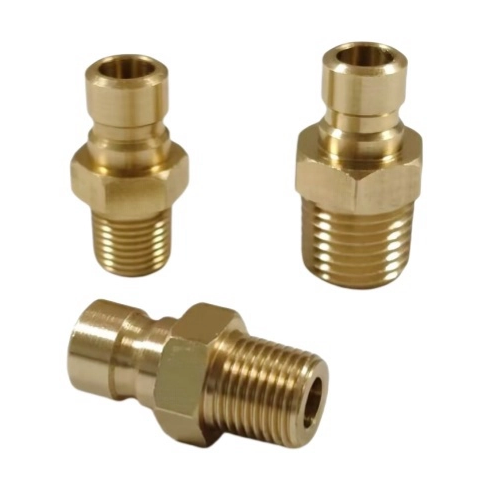
Picking the right quick coupling size is very important. If you choose the wrong size, you could get leaks or hose problems. A small coupling can block flow and hurt hoses. A big one might not stay tight. Always match the coupling size to your hose or tube. This helps air move well and keeps things working right.
Factor | Description |
|---|---|
Material | The fluid you use decides if you need aluminum, brass, or plastic. |
Size | The coupling size should fit the hose or tube for good airflow. |
Environmental Conditions | Couplings must handle things like heat, water, and dust. |
Tip: Check your system’s pressure and flow before you pick a quick coupling. Tianying can help you find the best fit.
The material you pick affects how your quick coupling works. You need a material that matches your fluid or gas. Brass does not rust and works in hot places. It is good for factories. Stainless steel is strong and can handle harsh chemicals. Plastic couplings are light and cheap for easy jobs.
Material | Benefits | Applications |
|---|---|---|
Plastic | Light, does not rust, and costs less | Good for low-pressure and safe places |
Brass | Tough and works in high heat | Used in mold cooling, fridges, and air systems |
Stainless Steel | Very strong and does not rust | Used for chemicals, food, and tough jobs |
Tianying has many materials for your needs. Their team can help you pick the best one.
You want your quick coupling to last a long time. Look for high pressure ratings and wide temperature ranges. It should not rust or get damaged by chemicals. Stainless steel and brass are best for tough jobs. These materials keep your system safe.
Feature | Description |
|---|---|
Pressure Ratings | Strong materials can handle more pressure. |
Temperature Range | Some materials work in very hot or cold places. |
Corrosive Environments | Brass and stainless steel do not rust or get damaged by chemicals. |
Strength and Durability | Steel and stainless steel are best for hard jobs. |
Tianying checks every part to make sure it is strong and lasts long. They have certifications like ISO 9001:2015 for quality.
Safety is very important when you pick and use quick couplings. Many new quick couplings have special parts that stop leaks and keep them from coming apart by accident. These parts help protect your machines and your team.
Always look at the body seals before you connect a coupling. This helps stop leaks and keeps your system safe.
Put dust caps or plugs on couplings when you are not using them. This keeps dirt out and protects the seals.
Teach your workers to check couplings and use them the right way. Good training helps stop mistakes and keeps everyone safe.
Put warning labels on to remind people to use safety pins.
Only use the right attachments and follow what the maker says.
Check quick couplers often. Look for broken parts or missing safety pins before you use them.
Take care of your couplers so they do not wear out or get dangerous.
Some quick couplings have one-way sleeves or flat face designs. These make it safer if you need to break the connection and help lower trapped pressure. Always clean the coupling faces before you connect them. Turn off the power before you connect a coupling. Wear eye protection when you connect or disconnect. These steps help stop accidents and keep your workplace safe.
Tianying checks every product very carefully. Their team makes sure each part is the right size and works well. They also give help if you have safety questions.
User-friendly design makes it much easier to install and take care of quick couplings. Tianying’s quick couplings let you connect and disconnect lines by hand. You do not need any tools, so you save time and make fewer mistakes.
Quick disconnect couplings help you work faster. You do not need special tools or extra steps. This design helps stop mistakes and makes your job safer. You can also clean and take care of these couplings more easily.
Tianying makes every quick coupling easy for people to use. Their products help you finish your work quickly and safely. If you have questions about how to install them, their technical team can help you.
Tip: Pick quick couplings with clear labels and easy locking parts. This makes your work safer and helps you work faster.
Picking the right quick coupling helps your system work well. Many people make easy mistakes that cause leaks or damage. These mistakes can also make things unsafe. You can stop these problems if you know what the common errors are and how to fix them.
You need to match the quick coupling size to your hose or tube. If you do not check the size, leaks or system problems can happen. If you forget about pressure ratings, the coupling might break. This can happen if the pressure is too high. Always check the pressure rating and make sure it fits your system.
Common sizing mistakes include:
Using a coupling that is too small or too big for your hose.
Not checking the pressure rating before you use it.
Forgetting to match the end configuration to your job.
Tip: Always measure your hose and check the pressure first. Tianying’s team can help you pick the right size for your needs.
The quick coupling material must match the fluid or gas you use. If you pick the wrong material, the connection can be weak. This can cause leaks or the coupling to come apart under pressure.
If you use the wrong material, you can have leaks or weak connections. The coupling might even come apart if the pressure is high.
You should use brass, stainless steel, or plastic for your job. Stainless steel is best for chemicals or high heat. Brass or plastic works for water or air. Tianying has many material choices and can help you pick the safest one.
Safety features keep your equipment and team safe. If you forget about safety, your system can fail or leak. If the pressure rating is wrong, the coupling can burst. Small couplings can block flow and make your system slow. Bad materials can rust and cause problems for the environment.
Common safety mistakes:
Not using dust caps or plugs.
Not checking for misalignment or shaking.
Forgetting to use locking mechanisms.
Mistake | Problem Description | Solution |
|---|---|---|
Vibration | Can hurt the coupling and tool. | Use a whip hose to stop vibration. |
Side Load | Can break the sleeve and valve. | Mount quick disconnects in the load direction. |
Contamination | Dirt can hurt couplings and seals. | Use dust caps and clean before connecting. |
Rotation | Can make the coupling come apart. | Use a swivel if you need full rotation. |
Human Intervention | Hitting fittings can break them. | Use the right threads for pressure. |
Cross Contamination | Wrong connections waste time and break equipment. | Use color bands to tell them apart. |
If you talk to Tianying’s experts, you can avoid these mistakes. Their team helps you pick the safest and best quick coupling for your job.
Picking the right quick coupling is simple if you follow steps. First, choose the coupler type that fits your job and where you use it:
Coupler Type | Description |
|---|---|
Steel quick coupler | Works well in tough places and with high pressure. |
Stainless steel quick coupler | Good for wet or chemical spots. |
Polyamide quick coupler | Light and keeps surfaces safe. |
Next, make sure you do not go over pressure limits or use the wrong fluid. If you are not sure, ask Tianying for help and special choices. Look at your system now and make changes for better safety and work.
A quick coupling lets you connect or disconnect fluid lines fast. You do not need tools. The coupling uses a locking mechanism to keep the connection secure. You save time and reduce leaks in your system.
Check your hose or tube size. Match the coupling size to your system’s diameter. Use a table or chart if needed. Tianying’s team can help you measure and select the correct size for your application.
Choose the material based on your fluid and environment. Use brass for water or air. Pick stainless steel for chemicals or high temperatures. Tianying offers many materials and can guide you to the best choice.
Inspect couplings every month. Look for leaks, wear, or damage. Replace seals or the whole coupling if you see problems. Regular checks keep your system safe and working well.
Yes! We offer custom quick couplings for special needs. You can send your requirements or drawings. Our engineers will help you design and produce the right solution for your system.


