
close
Choose Your Site
Global
Social Media


Views: 0 Author: Site Editor Publish Time: 2026-02-27 Origin: Site


Quick connect hose fittings help you connect hoses fast and easy. You do not need tools. This saves you time and work when you change hoses.
Regular care is important to stop leaks. Check O-rings and fittings often. Change old parts to keep them working well.
Pick the right fitting for your needs. Think about the pressure, if the materials work together, and how you connect them for best results.
You might wonder what makes these fittings so popular. Quick connect hose fittings let you snap hoses together in seconds. You do not need tools or special skills. This quick connect and disconnect feature saves you time and effort, especially if you switch hoses often.
Here are some reasons why you will love using them:
You can connect and disconnect hoses fast, which means less waiting and more doing.
Push-to-connect fittings do not need wrenches or other tools.
Many fittings have leak-proof designs, so you do not have to worry about spills.
They help keep you safe by making sure connections stay secure.
You can use them in many places, from your garden to big machines.
You will find quick connect hose fittings made from different materials. Brass fittings last a long time and resist rust. Plastic ones are lighter and cost less, but they can wear out faster. Some plastic types, like PBT, handle bumps better than others.
Take a look at the table below to see what users like most about these fittings:
Benefit | Description |
|---|---|
Improved Performance | Fittings work better and spill less. |
Increased Handling Efficiency | You spend less time connecting and disconnecting hoses. |
Reduced Inclusion | Less air gets in when you disconnect, so your system stays safe. |
You can use quick connect hose fittings almost anywhere you need to move water or air. At home, they make filling up buckets or watering plants easy. Many people use them with 1/4 turn shutoffs to stop air from getting in, which helps during dry camping. Some brands, like Gardena, offer plastic quick-connect coupler options for household tasks.
In bigger jobs, you will see quick connect hydraulic fittings in places like factories and workshops. These fittings work well in hydraulic systems, where you need to connect and disconnect fluid lines often. They also show up in pneumatic applications, like mobile machines, because you can operate them by hand.
Here is a quick look at where you might use these fittings:
Industry/Application | Description |
|---|---|
Hydraulic Systems | Great for fluid lines that need quick changes. |
Pneumatic Applications | Handy for machines you move around. |
Maintenance Operations | Help you fix things fast and keep downtime low. |
You will find these fittings everywhere, from your backyard to busy factories.
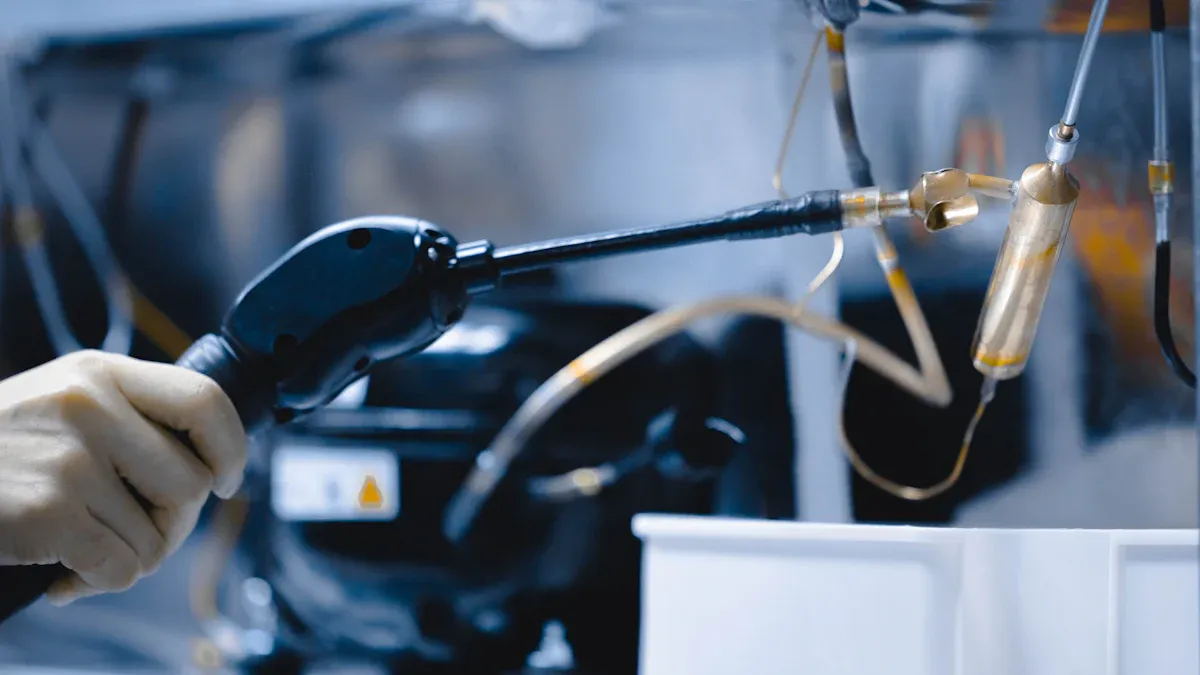
You want to make sure your quick-connect fittings work smoothly every time. Let’s walk through the steps for a secure and leak-free connection.
Start by attaching the faucet adaptor or hose connector. Push the tube into the fitting until it reaches the tube stop.
Keep pushing the tube up to the stop. The collet will grab the tube and hold it tight.
Give the tube a gentle pull. If it stays in place, you know it’s locked and ready.
Use hose clamps or hose locks if your setup calls for extra security. These accessories help you get a reliable connection, especially with heavy-duty hoses.
Tip: Clean the ends of your hose and the inside of the fitting before connecting. Dirt and debris can cause leaks or make the fitting hard to snap together.
You don’t need special tools for most quick connect hose fittings. If you want extra peace of mind, hose connectors made from rubber, aluminum, or steel can add strength. Hose clamps provide a tight seal without damaging your hose. Hose locks come in different sizes and make rapid assembly and disassembly easy.
When you need to disconnect, you want to avoid damage and keep things safe. Here’s how you do it:
Relieve the system pressure first. Never try to disconnect while water or air is flowing.
Find out what type of quick disconnect you have. Camlock, barbed, or pneumatic fittings may need different tools.
Use release levers or spanners if needed. Don’t use too much force. If the fitting feels stuck, check for worn seals or mismatched parts.
For high-pressure systems, use valved couplings. These help reduce fluid spillage and keep your workspace clean.
Safety Note: Never hit coupling valves or sleeves with a hammer. Don’t leave couplings near moving equipment or heat sources. Always check that your fittings match the hose diameter.
You can disconnect quick-connect fittings by pushing the collet and pulling out the tube. If you follow these steps, you protect your equipment and yourself.
You want your quick connect fittings to last and stay leak-free. Regular maintenance makes a big difference.
Inspect O-rings and fittings before every job. Look for signs of wear or damage.
Lubricate O-rings with a light, O-ring-safe lubricant. This keeps them flexible and extends their life.
Store your quick-connect fittings away from sunlight and chemicals. Rubber and metal can break down if exposed for too long.
Use quality parts. Cheap fittings may seem like a bargain, but they often lead to leaks and downtime.
Here’s a quick table to help you remember when to inspect and replace O-rings and seals:
Application Type | Replacement Frequency | Inspection Frequency |
|---|---|---|
High-frequency disassembly and assembly | Within 1 year | Before each use |
High-pressure systems (hydraulic) | Every 1-2 years | Every 3 months |
Harsh operating environments | Every 1-2 years | Every 1-2 months |
Low-pressure systems (pneumatic) | Every 2-4 years | Every 6 months |
Note: If you use your connectors only once in a while, inspect them before each use. For high-pressure or harsh environments, check them more often.
If you notice leaks, follow these troubleshooting steps:
Check seals and gaskets. Look for wear, damage, or misalignment. Replace them if needed.
Make sure you installed the fitting correctly. Don’t over-tighten or under-tighten.
Verify that the fitting matches your hose or pipe diameter. Compatibility matters for a secure and leak-free connection.
You can avoid most problems by inspecting your quick connect hose fittings regularly and using the right parts. If you ever struggle with connecting or disconnecting, clean the fittings and check the O-rings. Adjust water pressure if your system allows. The operation of quick connect fittings is simple, but a little care goes a long way.
Quick-connect fittings give you fast, easy connections. You get rapid assembly and disassembly without tools. With regular maintenance, you keep your quick disconnect working smoothly. You can trust quick connect fittings for reliable performance in your garden, workshop, or anywhere you need a secure and leak-free connection.
You want your quick connect fittings to work every time. Start by thinking about where and how you will use them. Here are some things you should check:
Look at the operating pressure and temperature range. Make sure your quick-connect fittings can handle your system.
Match the fitting material to your hose. This helps you get a secure connection.
Pick a connection method that feels easy and comfortable for you.
Think about where you will install the quick connect fittings. Some types let you use one hand for fast changes.
Check if you need built-in water stops. These can help prevent spills but may slow water flow.
Quick-connect fittings work best in low-pressure systems, like garden hoses or portable tools. If you use them in high-pressure or high-vibration spots, you might see leaks or even a quick disconnect. Always check the pressure rating before you buy. Some fittings have features that let you adjust water flow or pressure. These can help you get the right performance for your job.
Tip: If you notice a drop in water flow, check for water-stop valves or blockages inside your quick connect fittings.
You may run into a few problems with quick connect fittings. Here are some common ones and how you can fix them:
Lost or worn sealing washers can cause leaks. Replace them with the right size and material.
Water-stop valves sometimes slow down your flow. Remove or clean them if needed.
If you have trouble with a quick disconnect, check the alignment and clean the parts.
Always hand-tighten first, then use tools if needed. Don’t over-tighten.
Inspect your quick-connect fittings often. Look for worn O-rings or dirt.
Make sure all your quick connect fittings match in size and standard.
Regular cleaning and checks keep your quick-connect fittings working well. You can trust them for fast, reliable connections in your home or workshop.
You can use quick connect hose fittings with just a few steps: align, click, and check for leaks. These fittings save you time and boost safety. Regularly inspect your quick connect hose fittings and replace worn parts. Check this table for top benefits:
Benefit | Why It Matters |
|---|---|
Speed | Fast connections |
Reliability | Fewer leaks and spills |
Easy Care | Simple maintenance and checks |
Give the hose a gentle tug. If it stays in place and you hear a click, you have a solid connection.
You can use some quick connect fittings with hot water. Always check the label for temperature ratings before you connect.
Check the O-ring for damage.
Clean the fitting.
Replace worn parts if needed.
Make sure everything lines up before you reconnect.


