
close
Choose Your Site
Global
Social Media


Views: 0 Author: Site Editor Publish Time: 2026-03-01 Origin: Site


Quick connect fittings let you connect things fast and easy. You do not need any tools. Push the hose in until you hear a click.
These fittings help stop leaks and spills. They are safe for beginners and professionals.
Pick the right material and size for your fittings. This helps them fit well and last longer in your system.
Check your fittings often for damage and clean them. This stops leaks and helps them last longer.
Always look at your fittings before you use them. Follow the instructions from the maker to stay safe and work well.
Quick connect fittings are special connectors. They let you join pipes or hoses quickly. You do not need any tools or extra pieces. Just push the hose or pipe into the fitting. It locks in place by itself. This makes your work faster and easier. You do not need wrenches or sealants. You also do not need to braze or flare like with old fittings.
Here is a table that lists the main features of quick connect fittings:
Feature | Description |
|---|---|
Spill-preventing design | Stops leaks and keeps your work area clean. |
Significantly reduced inclusion | Keeps air out of the system, which helps everything run better. |
Ergonomic designs | Easy to use, even if you wear gloves. |
Longevity | Made from strong materials that last a long time. |
Improved safety | Locks in place to stop accidents and keep your system safe. |
Protection from product liability | Some types let you add RFID tags to track use and lower risks. |
These fittings come in different materials. Composite fittings are light and cost less money. Brass fittings do not rust and work for many jobs.
Material Type | Description |
|---|---|
Composite | Lighter and strong. Costs less than brass. |
Brass | Fights rust and lasts a long time. Makes installation faster than old types. |
Quick connect fittings are used in many places. You can find them in homes, businesses, and factories. Here are some ways people use them:
Application Area | Examples of Use |
|---|---|
Residential | Garden hoses, irrigation, and water systems. |
Commercial | Food and drink machines. |
Industrial | Pumps, hydraulic motors, and other heavy machines. |
Automotive | Fuel lines, brakes, and air conditioning in cars. |
Medical | Ventilators and fluid transfer in hospitals. |
There are different types for each job. Some types move more fluid and last longer, like the ones in factories. Others are made for cars or home systems. Picking the right size and style is important for safety and good performance.
Tip: Always read the label to match the fitting to your system. This helps stop leaks and keeps things working right.
You start by attaching the faucet adaptor to your water tap. This adaptor lets you use quick connect hose fittings with your regular faucet. Make sure the water supply is off before you begin. Hold the adaptor and screw it onto the faucet by hand. Tighten it until it feels snug, but do not use tools that could damage the fitting. Check that the adaptor sits straight and flush against the faucet. If you see a gasket, make sure it is in place to prevent leaks.
Tip: Always inspect the adaptor and faucet for dirt or damage before installation. Clean both parts to help create a tight seal.
Quick connect hose fittings make it easy to connect and disconnect your hose in seconds. You do not need any tools. Follow these steps to set up your quick connect hose:
Turn off the water supply at the spigot.
Attach the faucet adaptor to the water tap.
Snap one of the faucet end connectors onto the adaptor.
Push the female end of your quick connect hose onto the connector until you hear a click.
Connect the product end to the male end of your quick connect hose.
Attach your spray nozzle or watering tool to the product adaptor.
When you want to disconnect, press the release ring on the fitting and pull the hose away. The locking mechanism holds the hose securely during use and releases it quickly when you need to swap tools or hoses.
Feature | Quick Connect Fittings | Traditional Hose Fittings |
|---|---|---|
Ease of Use | Rapid assembly and disassembly without tools | Requires more effort and time |
Connection Security | Secure and leak-proof connection | Higher risk of leaks and accidents |
Time Efficiency | Saves time and reduces labor costs | Slows down operations |
Installation Complexity | User-friendly, minimal training required | Often requires technical expertise |
Cost Efficiency | Long-term savings on maintenance | Potentially higher maintenance costs |
You can swap out nozzles, sprinklers, or hoses without turning off the water for long. This feature makes quick connect hose fittings perfect for gardens, car washing, and other outdoor jobs. Quick hose connectors also help you keep your system clean and reduce downtime.
You need to follow safety steps when using quick connect hose fittings. These steps help prevent leaks and accidents:
Always turn off the water and relieve pressure before you connect and disconnect hoses.
Check that the male adapter sits flush against the gasket before closing any lever arms.
Clean the coupling zones and use protective caps when not in use.
Inspect hoses and fittings for wear, cracks, or corrosion before each use.
Keep hoses straight and avoid sharp bends to prevent stress and early wear.
Do not use tools that might scratch or damage the fittings.
Use Teflon tape on threaded parts if needed for a tighter seal.
Follow the manufacturer's instructions for installation and maintenance.
Cut hoses cleanly and check for burrs to ensure a good seal.
Replace any scratched or damaged parts right away.
Note: Regular maintenance checks help you spot problems early and keep your quick connect hose working safely for years.
Quick connect hose fittings give you a fast, safe way to manage your water systems. You save time and effort, and you lower the risk of leaks. With the right steps, you can enjoy secure and easy connections every time.
You need to pick the right material and size for your quick connect hose. The material affects how long the fitting lasts and how well it works with your system. Here are some things to think about:
Application requirements: Think about where you will use the fitting and what it needs to do.
Material compatibility: Make sure the fitting material matches the fluid or gas in your system.
Pressure ratings: Check if the material can handle the pressure in your setup.
Environmental conditions: Choose materials that resist rust and work well in your environment.
Metallic fittings, like brass or stainless steel, work best for high-pressure jobs. They last longer and handle heat better. Plastic fittings, such as nylon or polyethylene, are light and resist rust. You can use them for air or water, but not for high-pressure or hot systems.
Tip: Always match the fitting size to your hose or pipe. Measure the inside and outside diameter to avoid leaks.
You must check the pressure rating before you buy quick connect hose adapters. The working pressure tells you how much force the fitting can handle every day. Burst pressure is higher, but you should not use it as your guide. Look for the working pressure at the temperature your system runs.
Choose fittings with a safety margin above your system’s pressure.
Make sure the fitting keeps a good seal during temperature changes.
Think about pressure drop. Each fitting can slow down the flow.
To check compatibility, follow these steps:
Identify your equipment’s needs, like type, pressure, and connection points.
Research fitting specs for size, material, and pressure.
Measure your hose or pipe to make sure the fitting fits.
Check if the fitting material works with your fluid or gas.
Think about the environment, like heat or chemicals.
When you upgrade to quick connect hose adapters, you make your system easier to use. Here are some best practices:
Keep new fittings clean until you install them.
Use a pipe cutter for straight, clean cuts.
Check the insertion depth for a tight seal.
Do not use glue, tape, or oil on the fittings.
Limit how many times you reuse fittings.
Follow the instructions from the manufacturer.
If you need to replace old fittings, remove the O-ring with a pick tool. Place the new O-ring flat in the coupler. Push it in gently so it sits level. You can use a little silicone grease to help. Always match the fitting material to your pipe and check local codes.
Note: Upgrading to a quick connect hose system saves time and lowers the risk of leaks. You get a safer and more reliable setup.
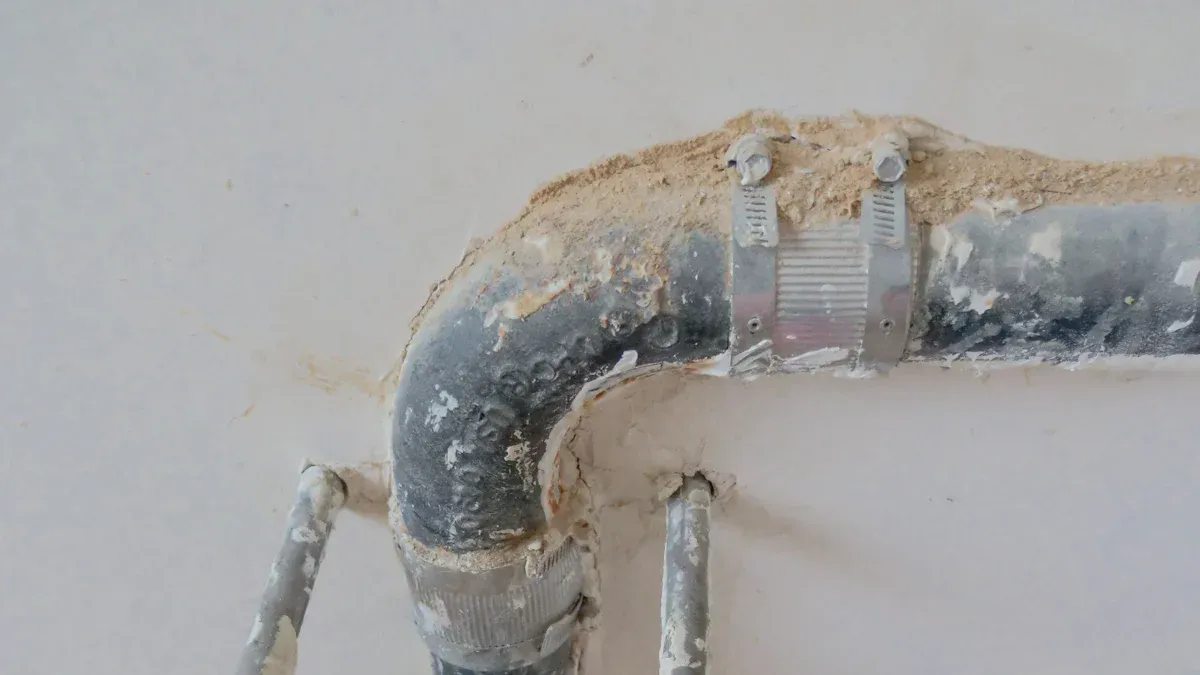
You may run into a few problems when using a quick connect hose. Here are the most common issues people report:
Leaks at the connection point, especially with push-on connectors
Poor fit or loose connections
Cracked or worn-out plastic fittings
Missing or damaged O-rings
Compatibility issues with certain hoses or systems
Leaks often happen when the O-ring wears out or the washer is missing. You can fix most leaks by replacing the O-ring or washer. Always check for these parts if you see water dripping. If you use a male connector, wrap plumber’s tape around the threads to help seal the joint. Many hardware stores sell hose repair kits. These kits include new fittings and leak-sealing washers. They give you a quick and lasting fix for most hose problems.
If you notice a poor fit, make sure you push the hose all the way into the fitting until it clicks. If the connection still feels loose, you may need to replace the fitting. Brass fittings last longer and give you a better seal than plastic ones.
Tip: If you keep having leaks with a quick connect hose, try switching to a brass fitting for better durability.
You can keep your quick connect hose working well by following a few simple steps. Regular care helps prevent leaks and extends the life of your fittings.
Maintenance Routine | Description |
|---|---|
Proper Handling and Storage | Store fittings in a clean, dry place. Avoid dropping or hitting them. |
Regular Inspections | Check for wear, cracks, or corrosion before each use. |
Cleaning | Wash fittings with mild soap and warm water. |
Tightening | Make sure all connections are snug but not overtightened. |
Preventive Maintenance | Replace O-rings and washers as needed. Lubricate with silicone grease. |
You should inspect your quick connect hose every month. Look for signs of damage or leaks. For most jobs, a monthly check is enough. If you use your hose often, check it before each use. Once a year, test the pressure and flexibility of your hose system.
Note: Good maintenance keeps your quick connect hose safe and reliable. You will save time and money by preventing bigger problems.
You can use quick connect fittings with confidence by following these steps:
Align the fitting parts.
Insert the connector until it clicks.
Engage the locking mechanism.
Test for leaks before full use.
Choosing the right fitting boosts safety and keeps your system strong. Quick connect fittings save time, reduce errors, and make upgrades simple. You do not need special tools or skills.
Try quick connect solutions for easy, secure, and leak-free connections every time.
You should hear a click when you push the hose in. Pull gently to check if it stays in place. Water should not leak from the connection. If you see drips, remove and reinsert the hose.
You can reuse most quick connect fittings. Inspect them for cracks or worn O-rings before each use. Replace damaged parts to prevent leaks. Some fittings work best for single use, so check the manufacturer’s instructions.
Quick connect fittings work with many fluids. Here is a table for common uses:
Fluid Type | Suitable? |
|---|---|
Water | ✅ Yes |
Air | ✅ Yes |
Oil | ⚠️ Sometimes |
Fuel | ⚠️ Sometimes |
Chemicals | ❌ Check specs |
Tip: Always check the fitting label for fluid compatibility.
Leaks happen for these reasons:
The O-ring is missing or damaged.
The hose is not pushed in all the way.
The fitting is cracked.
Replace worn parts and make sure you insert the hose fully.


